
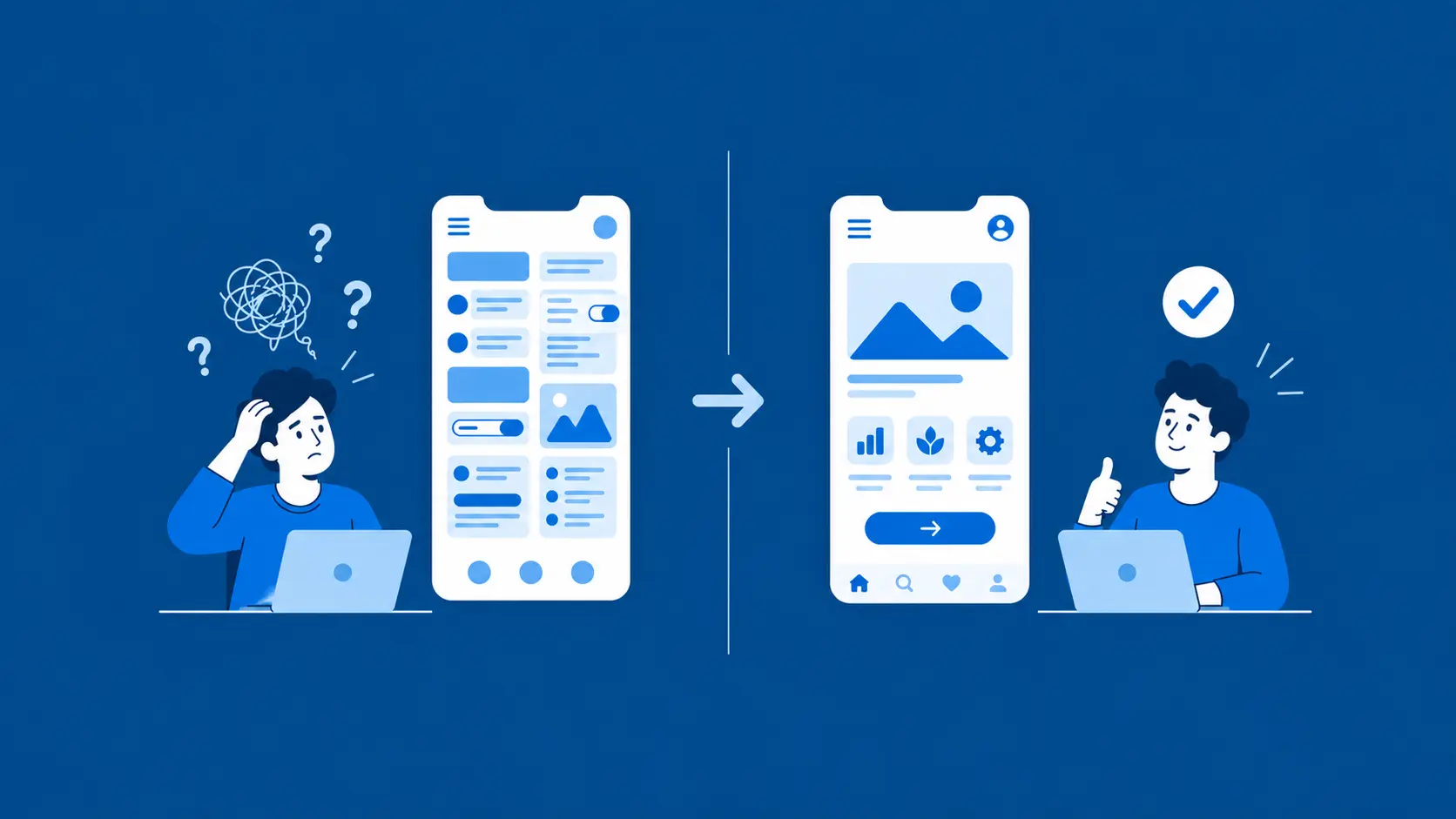
If you have ever left a website or deleted an app within seconds of opening it, you already understand UI/UX design better than most business owners realize. That gut reaction, “this feels confusing” or “this just works,” is UI/UX design doing its job, or failing at it.
For US businesses building a website, launching an app, or planning a SaaS product in 2026, UI/UX design is no longer a finishing touch. It is one of the biggest factors deciding whether your digital product succeeds or quietly fails. This guide breaks down what UI/UX design actually does for a product, why it drives revenue and not just aesthetics, and how to know if your business needs a UI/UX design company to get it right.
What UI/UX Design Actually Means (And Why People Mix It Up)
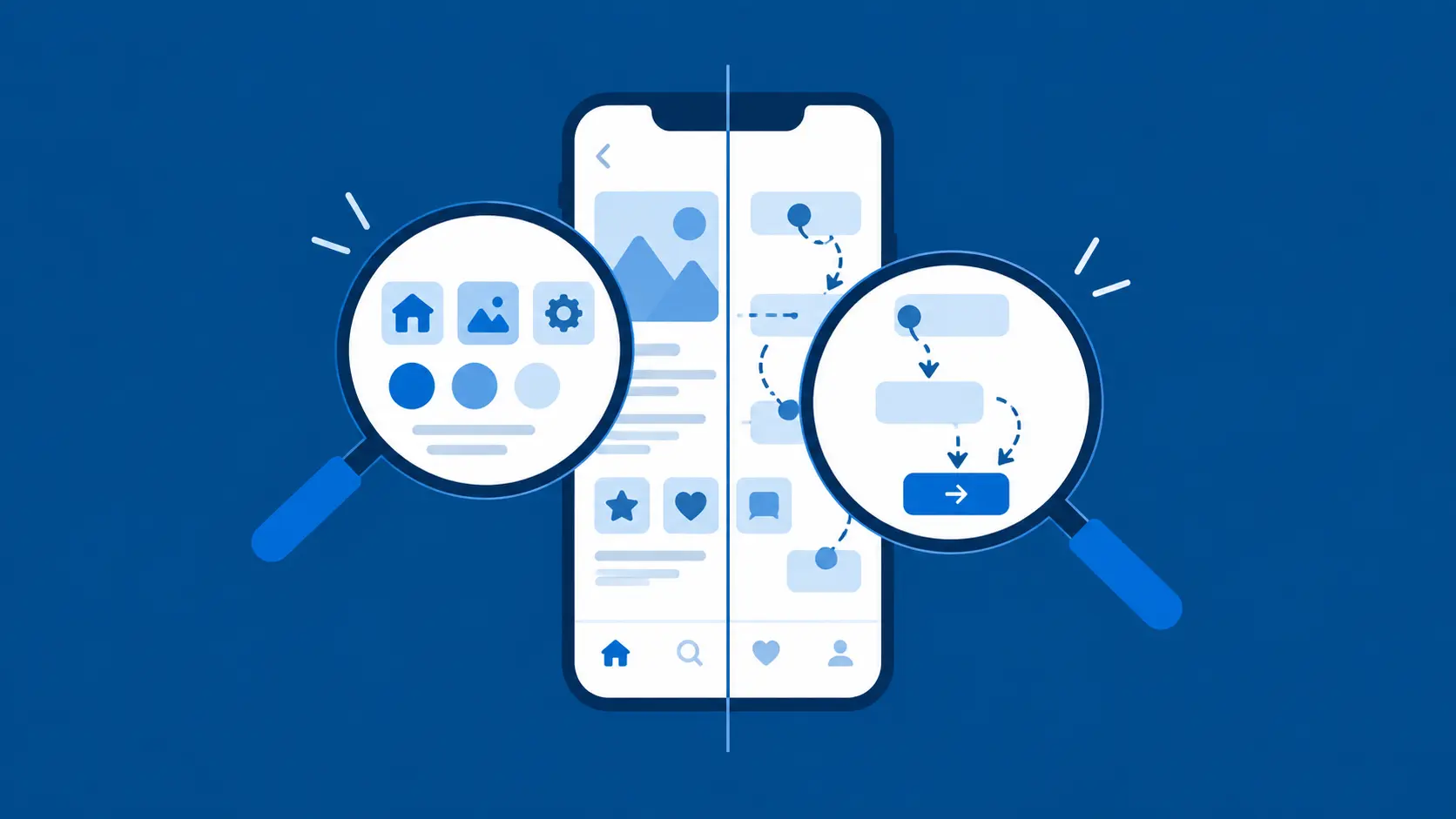
UI and UX are two different disciplines that work together.
UI (User Interface) is everything a user sees and taps: buttons, colors, typography, icons, layout, spacing. It is the visual and interactive skin of your product.
UX (User Experience) is everything a user feels while using your product: how easy it is to find what they need, how fast a task gets done, whether the flow makes sense, and whether they trust the product enough to complete a purchase or sign up.
A simple way to remember it: UI is how a product looks. UX is how a product works. A product can look beautiful and still have terrible UX if users cannot figure out how to check out or book a service. Both need to work together, which is exactly why professional UI/UX design services treat them as one connected process rather than two separate jobs.
Why UI/UX Design Directly Affects Business Success

This is the part most business owners underestimate. UI/UX design is not decoration. It is a direct lever on revenue, retention, and customer trust.
Here is what the data shows:
- A well-designed user interface can increase conversion rates by up to 200%, while strong end-to-end UX design can push that number to 400%.
- Forrester Research found that every $1 invested in UX design can return up to $100, an ROI of roughly 9,900% in the best-performing cases.
- Design-led companies have been shown to outperform the S&P 500 by a wide margin over a ten-year period, driven largely by consistent investment in user experience.
- Mobile now accounts for over 60% of global web traffic, yet mobile conversion rates still lag desktop significantly, largely because mobile UX gets less attention during design.
These numbers matter because they answer the question every founder eventually asks: is UI/UX design worth the investment? The data says yes, consistently, across industries.
The Core Role of UI/UX Design in a Digital Product
1. It Builds First Impressions in Seconds
Users form an opinion about your website or app almost instantly, often before they have read a single word. A cluttered layout, inconsistent fonts, or a slow-loading page signals unprofessionalism even if your product or service is excellent. Good UI design creates immediate trust through clean visuals, clear hierarchy, and consistent branding.
2. It Removes Friction From the User Journey
Every extra click, confusing menu, or unclear button is friction. Friction is what causes cart abandonment, form drop-offs, and app uninstalls. UX design’s core job is mapping the user journey and removing anything that slows a person down or makes them think twice. This is exactly the kind of problem wireframing and prototyping is meant to solve before a single line of code is written, catching confusing flows on paper instead of after launch.
3. It Improves Accessibility and Reach
Good UX design considers users with different devices, connection speeds, and abilities. Designing for accessibility (proper contrast, readable text sizes, keyboard navigation) is not just good ethics, it expands your addressable audience and reduces legal risk, since accessibility compliance has become a growing concern for US businesses.
4. It Increases Retention and Repeat Usage
Acquiring a new customer costs significantly more than keeping an existing one. A product that feels intuitive and pleasant to use keeps people coming back. This is why a 5% improvement in customer retention can grow profits by 25% to 95%, and much of that retention is driven by how smooth the day-to-day experience feels.
5. It Reduces Development Costs Over Time
Fixing a UX problem after launch is far more expensive than catching it during the design phase. Wireframes and prototypes let teams test ideas cheaply before developers write code. Skipping this step is one of the most common reasons app and website projects go over budget.
UI/UX Design Across Different Digital Products
The role of UI/UX design shifts slightly depending on what you are building.
Websites: Focus is on clarity, load speed, and guiding visitors toward a specific action, whether that is booking a call, filling a form, or making a purchase. Website designing work centers on layout hierarchy and making the value proposition obvious within the first few seconds.
Mobile apps: Focus shifts to touch-friendly layouts, thumb-reach zones, and fast load times on smaller screens. Mobile app designing has to account for interruptions, offline states, and shorter attention spans compared to desktop use.
E-commerce platforms: Focus is almost entirely on reducing checkout friction. Even small UX fixes at checkout have been shown to recover over 30% of otherwise lost conversions.
SaaS and web apps: Focus is on onboarding. A confusing first-time experience is one of the top reasons trial users never convert to paying customers.
Signs Your Business Needs Better UI/UX Design
You likely need to revisit your UI/UX design if:
- Your bounce rate is high but you cannot pinpoint why
- Users abandon signup forms, checkout pages, or app onboarding midway
- Customer support gets repeated questions about “how do I do X” on your platform
- Your website or app looks outdated compared to competitors
- You have added features over time without a consistent design system, and things now feel disjointed
Any one of these is a signal worth investigating. Multiple signals together usually mean it is time for a proper UX audit or redesign.
How a Professional UI/UX Design Process Works
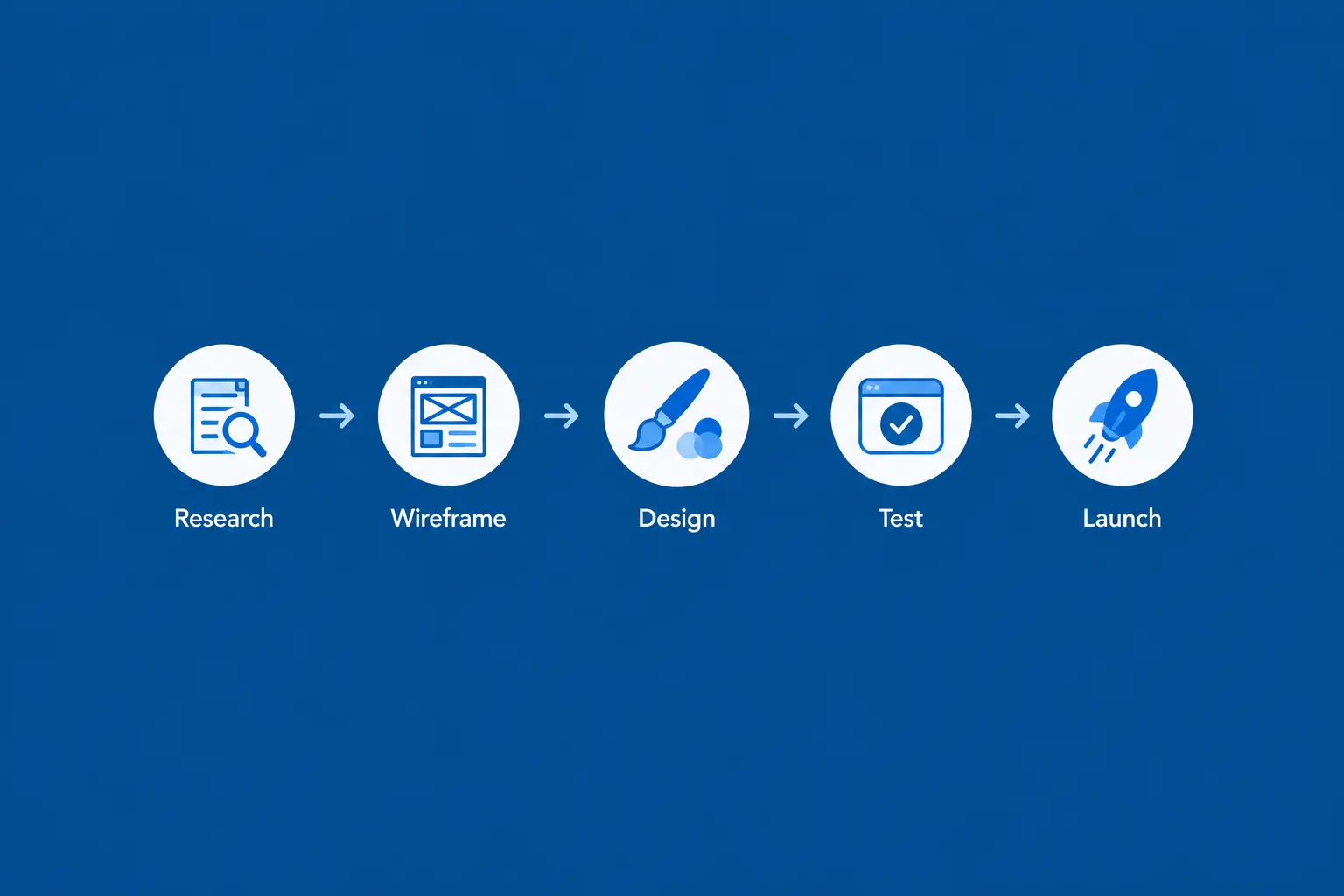
A structured process typically follows these stages:
- Research – Understanding the target audience, competitors, and business goals before any visuals are created.
- Information architecture – Organizing content and features in a logical structure so users always know where they are.
- Wireframing – Building low-fidelity layouts to map user flow and functionality without worrying about colors or branding yet.
- Visual design (UI) – Applying brand colors, typography, and interactive elements on top of the approved wireframes.
- Prototyping and testing – Creating a clickable prototype and testing it with real users to catch friction points early.
- Handoff to development – Delivering design files and specifications so developers can build exactly what was designed and tested.
Businesses that plan both design and development together, rather than treating them as separate phases, tend to launch faster and with fewer costly revisions. This is one reason many teams pair UI/UX services with their web development services or mobile app development under one roof.
Common UI/UX Mistakes That Hurt Digital Products

- Designing for yourself, not your users. What feels intuitive to a founder or designer is not always intuitive to a first-time visitor.
- Ignoring mobile-first design. With the majority of traffic coming from phones, a desktop-first approach often creates a broken mobile experience.
- Too many choices on one screen. More options often means more hesitation, not more conversions.
- Skipping user testing. Assumptions about how people will use a product are frequently wrong until tested with real users.
- Inconsistent design across pages. Different fonts, button styles, or spacing across a site quietly erodes trust.
Final Thoughts
UI/UX design is not a cosmetic upgrade you add at the end of a project. It is a core part of whether your digital product earns trust, keeps users engaged, and converts visitors into paying customers. The businesses that treat design as a strategic investment, not an afterthought, are the ones seeing measurably higher conversions and stronger customer retention in 2026.
If your website or app is not performing the way it should, the problem is often not your product, it is the experience wrapped around it. A free consultation with a UI/UX design team can help pinpoint exactly where users are dropping off and what to fix first.






 +91-7982030802
  +1(315) 585-1155