
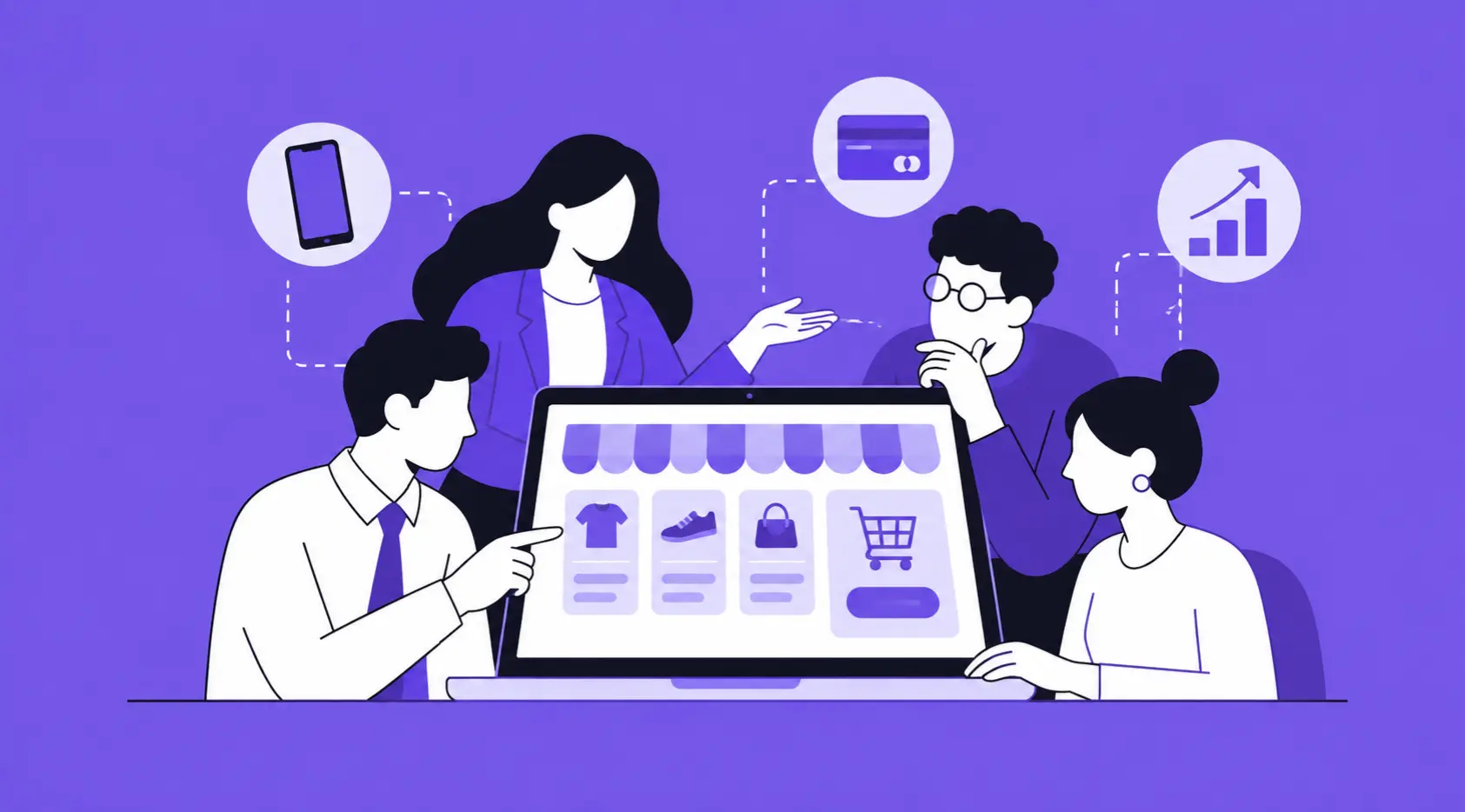
Looking for a reliable e-commerce website development company in Chicago? You’re in the right place. We build fast, scalable, and conversion-focused online stores tailored to your business goals, whether you’re launching a new brand or upgrading an existing store. From custom design and secure payment integration to SEO-optimized product pages and seamless mobile experiences, our Chicago-based team handles it all. We combine technical expertise with a deep understanding of user behavior to help local and national brands turn website visitors into loyal, paying customers.
BinaryMetrix: Professional E-commerce Company in Chicago
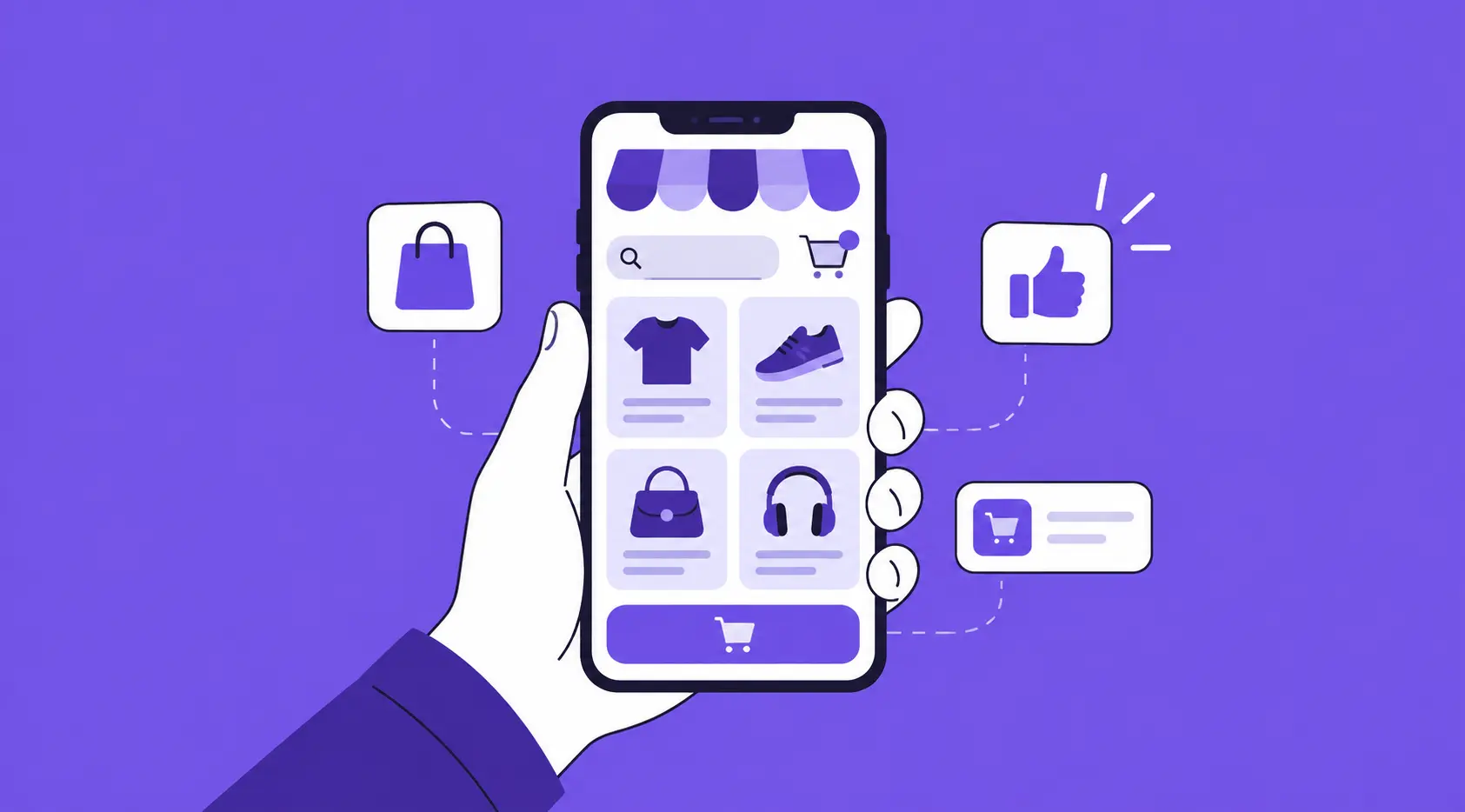
BinaryMetrix has been building e-commerce websites for Chicago businesses for a while now, and honestly, that’s where we feel most at home. We get how competitive online retail is in this city, from small boutique shops trying to stand out to bigger brands wanting a store that actually converts. Our team works closely with you, figuring out what your customers need, then building something that just works, clean design, quick load times, easy checkout. We’re not about cookie-cutter templates either. Every project gets its own attention, its own strategy, so your store ends up looking and feeling like your business, not somebody else’s.
Services Offered at BinaryMetrix for E-commerce Website Development in Chicago
At BinaryMetrix, we handle pretty much everything an e-commerce business in Chicago would need to actually get up and running and start selling. That starts with custom website design, built around your brand instead of some generic template everyone else is using. Then there’s the development side, Shopify, WooCommerce, whatever platform fits you best, we set it up properly so it doesn’t break down the line. We also do:
- Payment gateway integration, so checkout feels smooth, not clunky
- SEO for product and category pages, helping you actually get found on Google
- Speed optimization, because slow sites lose customers fast
- Ongoing maintenance and support once your store is live
We also help with mobile responsiveness, since most shoppers today are browsing on their phones anyway, and inventory or product catalog setup if you’re migrating from another platform. Basically, whatever stage you’re at, starting from scratch or fixing what’s already there, we’ve got something that fits.
Building E-commerce Experiences That Turn Visitors Into Customers

Turning visitors into actual customers isn’t about flashy design alone, it’s about getting the small things right too. From how a store feels on a phone, to the research behind it, the way your brand comes across, and tracking what’s actually working, every piece plays a part in building something that truly converts.
Creating Flawless Mobile Experiences
Getting mobile right isn’t something we eyeball at the end, it actually starts early. We usually begin by mapping out the mobile user flow first, before desktop even, since that’s where most of your traffic’s coming from anyway. From there:
- We test layouts on actual devices, not just browser resize windows, because things behave differently than you’d expect
- Touch targets, spacing, font sizes all get adjusted so nothing feels cramped or accidentally clickable
- Checkout gets simplified, fewer taps, autofill where possible, since mobile users drop off fast if it’s clunky
- We run speed tests specifically for mobile networks, not just wifi, since that’s closer to real world conditions
Designing With Research, Not Assumptions
We try not to just guess what’ll work for your store, even when a design trend looks good on paper, it doesn’t always fit your actual customers. So before anything gets built, we spend time looking into who’s actually buying from you, how they browse, what usually makes them hesitate before checking out. Sometimes that means going through competitor sites, sometimes it’s digging into whatever data you already have from past sales or site visits. Only after that do we start sketching layouts or picking colors. It’s a bit slower this way, honestly, but it means the design decisions we land on are backed by something real, not just what looked nice in a mood board somewhere.
Clear Communication That Brings Your Brand to Life
A website can look great and still feel completely off if it doesn’t actually sound like you. So a big part of what we do is just, talking, a lot, early on, figuring out how your brand actually communicates, what tone fits, what feels forced. That shapes everything from the copy on your homepage to how product descriptions get written, even little things like button text or error messages. We’d rather ask too many questions upfront than build something polished that just doesn’t feel like your business once it’s live. Because at the end of the day, people aren’t just buying a product; they’re buying into a brand they trust and actually get.
Analytics-Driven Development That Measures Real Success
Building something and hoping it works isn’t really a strategy, so we set up proper tracking from day one, not as an afterthought once the site’s already live. That means keeping an eye on things like where people drop off during checkout, which pages actually hold attention, and what’s driving people to leave without buying. Numbers don’t lie the way assumptions sometimes do. Once we’ve got that data coming in, we don’t just sit on it either, we use it to tweak layouts, adjust copy, sometimes even rethink a whole page if it’s just not converting. Success here isn’t a one time launch moment, it’s something we keep measuring and improving on as real customers actually use the site.
Partnering with an e-commerce development company in Chicago

Partnering with an e-commerce development company in Chicago, instead of trying to figure it all out yourself or hiring someone random offshore, actually makes a real difference in how smoothly your store comes together and performs long term. For one, you get people who understand the local market, what Chicago shoppers expect, how competitors in the area are positioning themselves, and what actually works for this kind of audience. A few other benefits worth mentioning:
- Faster turnaround since you’re not stuck waiting across time zones for replies or explanations
- Better communication, calls, quick check ins, stuff that’s genuinely harder to pull off with far away teams
- A store built to scale, so it doesn’t fall apart or slow down when traffic actually picks up during a sale or holiday rush
- Ongoing support after launch, not just a “here’s your site, good luck” kind of situation
- Easier troubleshooting, since someone’s actually reachable when something breaks or looks off
There’s also the trust factor, which honestly gets underrated. Knowing your developer is accessible, accountable, and not disappearing after the invoice is paid takes a lot of stress off your plate. Plus, a good local partner usually brings real insight into logistics, regional payment preferences, even seasonal buying habits specific to Chicago and the wider Midwest, stuff a generic overseas team might just miss entirely, or not care enough to notice.
At the end of the day, it’s less about just getting a website built and more about having someone in your corner who understands the bigger picture. That ends up saving you time, money, and a fair bit of headache down the road, especially once your store actually starts growing.
How Much Does it Cost to Design an E-commerce Website in Chicago
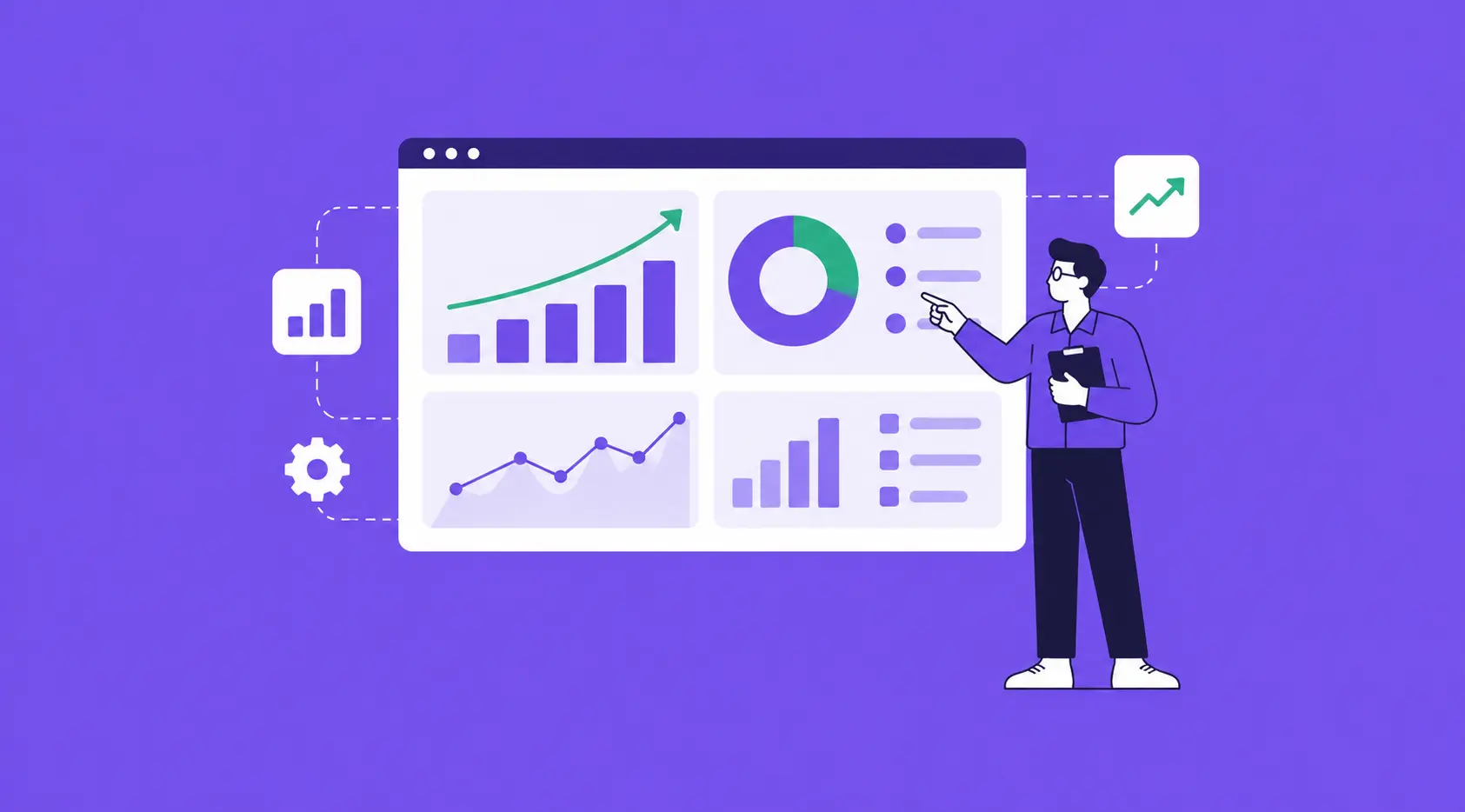
So this is one of those questions where the honest answer is, it depends, but let’s actually break it down a bit. A basic e-commerce website, something simple with a handful of products and standard features, can start anywhere around $1,500 to $3,000. If you’re looking for something more custom, better design, extra functionality like advanced filtering, custom integrations, maybe a loyalty program built in, that number climbs up to $5,000 to $10,000, sometimes more depending on how complex things get.
Platform matters too. A Shopify store tends to cost less upfront compared to a fully custom built WooCommerce or headless setup, though custom builds usually give you more flexibility down the road. Then there’s ongoing stuff, hosting, maintenance, occasional updates, which isn’t a one time cost but still worth planning for.
Chicago specifically doesn’t really change pricing dramatically compared to national averages, but working with a BinaryMetrix team often means clearer expectations and fewer surprises along the way. Really, the best move is talking through what you actually need, your product range, growth plans, budget, before locking in a number. That conversation alone usually saves people from overpaying for features they don’t even need yet.
Why BinaryMetrix Stands Apart for E-commerce in Chicago
Honestly, there’s no shortage of e-commerce developers out there, so what actually makes BinaryMetrix different comes down to a few things that matter more than they get credit for. We’re not trying to push every client into the same template or workflow, each store gets built around what that specific business actually needs, not what’s easiest for us. That sounds like a small thing but it really isn’t, it shows up in the details, page speed, checkout flow, how the site handles mobile traffic, all of it.
We also don’t disappear after launch, which honestly happens more often than people expect with agencies. If something breaks or needs tweaking six months down the line, we’re still around, still responsive. There’s also the SEO side of things, we don’t just build a store and leave you to figure out how customers find it, we actually think through how it’ll rank, how it’ll get discovered.
And maybe it’s a small thing, but we genuinely care about getting it right rather than just getting it done. That mindset ends up mattering a lot once a store is live and real customers, real orders, real money is on the line.
Conclusion
At the end of the day, none of this works in isolation, mobile experience, research backed design, clear brand voice, and real data tracking, they all kind of feed into each other. A store that looks good but loads slow on phones loses people just as fast as one that ignores what the analytics are actually saying. That’s really the whole point behind how we approach e-commerce development, it’s not about ticking boxes or following some checklist that worked for a different business once. It’s about actually paying attention, to how people browse, what your brand sounds like, and what the numbers keep telling us after launch. Things change, customer behavior shifts, so what we build has to keep adjusting too. That’s honestly the difference between a website that just exists online and one that’s genuinely turning visitors into paying, returning customers over time.






 +91-7982030802
  +1(315) 585-1155