

Introduction
The web development process is a structured, multi-stage workflow designed to build, test, and deploy functional websites. It typically involves seven key phases: planning (discovery), design (wireframing), content creation, development (coding), testing (QA), deployment (launch), and ongoing maintenance. This lifecycle ensures a high-quality, user-friendly, and secure final product.
In today’s digital landscape, a website is no longer just an online brochure; it is a critical business engine that defines brand credibility and operational efficiency. The development process has evolved into a structured lifecycle that balances visual appeal with high-performance functionality. If you are new to this concept, you can first understand the fundamentals in our What is Website Development? Complete Beginner’s Guide, which explains core concepts before diving into the structured process outlined here. A successful website is the result of disciplined planning, strategic design, robust development, and continuous optimization. Following a structured step-by-step process ensures your website serves as a scalable digital asset for lead generation, brand authority, and long-term growth.
According to research 75% of consumers admit to making judgments about a company’s credibility based solely on its website’s design.
A successful website is the result of a disciplined process that prioritizes user intent and technical excellence. By following a step-by-step guide, businesses can avoid common pitfalls like “scope creep” and ensure their digital presence serves as a reliable asset for lead generation and brand authority.
How BinaryMetrix Develops Award-Winning Websites
1. Discovery & Planning –
Every successful website starts with clarity.
What Happens in This Phase?
- Understanding business objectives
- Identifying target audience
- Competitor research
- Defining website goals (leads, sales, branding, engagement)
- Deciding features and functionalities
- Creating a sitemap
- Choosing technology stack
Why It Matters
Without planning, projects face scope creep, budget overruns, and delayed timelines. This phase sets expectations, deliverables, and KPIs.
Key Deliverables
- Project requirement document
- User personas
- Sitemap structure
- Timeline & cost estimation
- Technical specification document
This is the foundation of everything that follows.
2. Website Architecture & Wireframing –
Once planning is complete, the next step is structuring the website.
What Is Website Architecture?
It defines:
- Page hierarchy
- Navigation structure
- Internal linking flow
- Content grouping
Good architecture improves:
- User experience (UX)
- Crawlability for search engines
- Conversion flow
Wireframing
Wireframes are blueprint layouts of pages without design elements. They focus on:
- Content placement
- Call-to-action positioning
- User journey
- Functional elements
Tools commonly used:
- Figma
- Adobe XD
- Sketch
This phase ensures logic before visuals.
3. Design –
Now the website begins to take visual shape.
UI (User Interface)
- Color palette
- Typography
- Buttons & icons
- Visual branding
- Layout styling
UX (User Experience)
- Navigation simplicity
- Mobile responsiveness
- Conversion-focused design
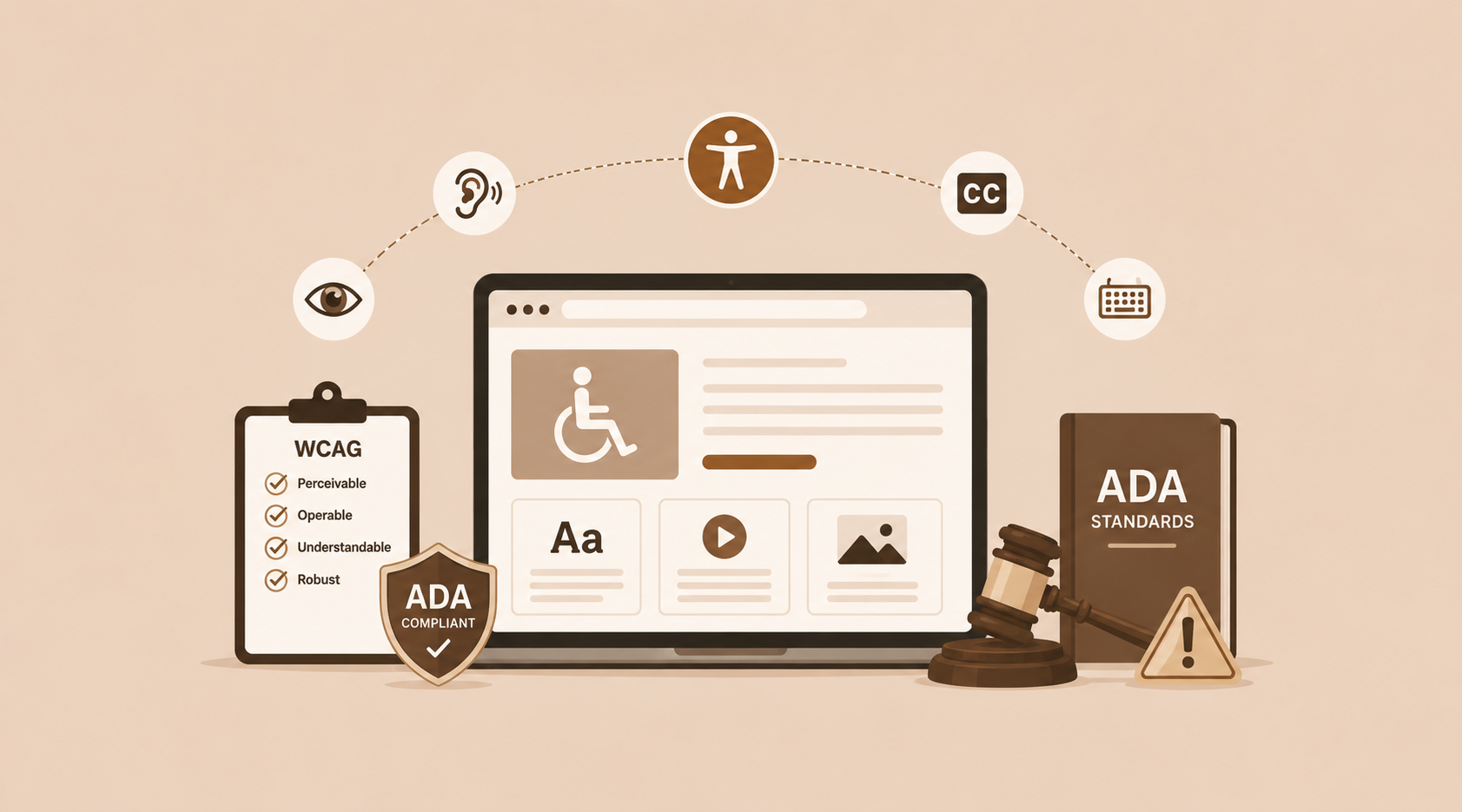
- Accessibility compliance
Goals of the Design Phase
- Reflect brand identity
- Improve usability
- Increase trust & credibility
- Optimize conversion rate
Design isn’t decoration – it’s strategic communication.
4. Content Creation –
Content drives engagement, SEO, and conversions.
What This Includes:
- Website copywriting
- Service descriptions
- Landing page messaging
- Blog content
- Visual content (images, videos, infographics)
Important Considerations:
- SEO keyword research
- Clear call-to-actions
- User-focused messaging
- Scannable formatting (headings, bullets)
Well-structured content supports both users and search engines.
5. Development –
This is the technical execution stage where ideas become functional.
Frontend Development
- HTML (structure)
- CSS (styling)
- JavaScript (interactivity)
- Responsive frameworks (Bootstrap, Tailwind)
Focus areas:
- Cross-browser compatibility
- Mobile responsiveness
- Speed optimization
Backend Development:
- Server-side logic
- Database integration
- API integration
- Admin panel/CMS setup
- Payment gateway integration (if needed)
Common backend technologies:
- PHP
- Python
- Node.js
- Laravel
- Django
This phase transforms static designs into dynamic functionality.
6. Testing & Quality Assurance (QA) –
Before launch, the website must be thoroughly tested.
Types of Testing:
- Functional Testing – Forms, buttons, checkout flows
- Compatibility Testing – Different browsers & devices
- Performance Testing – Page speed & Core Web Vitals
- Security Testing – SSL, vulnerabilities
- Usability Testing – User journey smoothness
Testing ensures the website works flawlessly under real-world conditions.
7. Deployment & Launch –
After successful testing, the website moves to the live server.
Launch Checklist:
- Domain configuration
- Hosting setup
- SSL certificate installation
- Final content review
- Redirect setup (if redesign)
- Sitemap submission to Google Search Console
- Analytics & tracking setup
A proper launch ensures smooth public access without downtime.
8. Maintenance –
Website development does not end at launch.
Ongoing Maintenance Includes:
- Security updates
- Plugin updates
- Regular backups
- Performance monitoring
- Bug fixes
- ContEnt updates
- SEO improvements
Why Maintenance Is Critical
- Prevent security breaches
- Maintain speed
- Improve search rankings
- Adapt to business growth
- Enhance user experience over time
A website is a living digital asset – it requires continuous care.
Modern Website Development Trends
To stay competitive, businesses should also consider:
- AI-assisted coding
- Serverless architecture
- Headless CMS
- API-first development
- Progressive Web Apps (PWA)
- Core Web Vitals optimization
Incorporating modern technologies ensures scalability and performance.
Conclusion
Understanding the Website Development Process: Step-by-Step Guide for Businesses empowers you to turn your digital goals into a high-performing, user-centric website. Whether you’re launching a new platform, redesigning an existing presence, or scaling your online strategy, following a structured workflow – from discovery and wireframing to testing and launch—ensures your website delivers measurable results, enhances user trust, and supports long-term business growth.
If you’re ready to bring your website vision to life, collaborate with experts who can guide you through every phase of development with clarity and technical excellence. Get personalized support and start your project today







 +91-7982030802
  +1(315) 585-1155