

Introduction: Why Most Business Websites Fail
Launching a website is often one of the first digital investments a business makes. However, many companies spend thousands of dollars on website development but fail to generate traffic, leads, or conversions.
The reason is simple: most websites are built without a structured development strategy.
Instead of focusing on user experience, search engine optimization, and conversion optimization, many businesses prioritize visual design alone. While design is important, it represents only a small part of a successful website.
Research highlights how critical website quality is to business credibility and performance. Studies show that 75% of users judge a company’s credibility based on its website design, meaning your website directly influences trust and purchasing decisions.
Performance is equally important. A slow website can significantly reduce user engagement and sales. In fact, 53% of mobile users abandon websites that take longer than three seconds to load.
For business owners, this means that launching a website without proper planning can lead to lost traffic, lower conversions, and poor brand credibility.
This is why following a complete website development checklist is essential.
This comprehensive website launch checklist guides businesses through every critical phase – from pre-launch strategy and keyword mapping to performance optimization, UX validation, and growth tracking. If you’re new to the fundamentals of building a website, you can start with this complete beginner’s guide to website development to understand the core concepts before applying this launch checklist effectively.
In this guide, you will learn the 70 essential checkpoints across every stage of website development, ensuring your website is optimized for:
- user experience
- search engine visibility
- performance and security
- lead generation and business growth
Understanding the Website Development Lifecycle
A successful website is not created randomly. It follows a structured development process that aligns with business goals and digital marketing strategies.
The typical website development lifecycle includes:
Strategy → Planning → Design → Development → SEO → Testing → Launch → Growth
Businesses that skip early planning stages often end up with websites that look good but fail to generate leads or traffic.
Companies investing in professional website development services ensure that every stage of the development lifecycle is handled strategically—from planning and design to deployment and optimization.
Following a structured lifecycle ensures that the website supports both business growth and digital marketing performance.
Phase 1: Business Strategy Checklist
Before development begins, businesses must clearly define the strategic purpose of their website.
Many websites fail because they are built without understanding the target audience or business objectives.
Strategy Checklist
- Define the main purpose of the website
- Identify business goals such as sales, leads, or brand awareness
- Define target audience personas
- Analyze competitor websites
- Identify your unique value proposition
- Determine key services or products to highlight
- Establish measurable KPIs such as traffic or conversions
- Define budget and project timeline
- Assign responsibilities for website management
- Create a clear website development roadmap
Strategic planning ensures the website becomes a business growth tool rather than just an online brochure.
Phase 2: Domain, Hosting, and Technical Setup
The technical infrastructure of a website plays a major role in performance, scalability, and security.
Choosing the right domain name, hosting provider, and development framework is essential for long-term success.
Technical Setup Checklist
- Choose a brand-friendly domain name
- Register the domain with a trusted provider
- Select secure and scalable hosting
- Install SSL certificates for HTTPS security
- Configure a Content Delivery Network (CDN)
- Set up automated server backups
- Create professional business email accounts
Businesses with complex requirements often require custom web development solutions that allow greater flexibility, scalability, and integration with other systems.
A strong technical foundation ensures the website performs well even as traffic and business requirements grow.
Phase 3: Website Structure and Sitemap Planning
Website architecture determines how users and search engines navigate your website.
A poorly structured website can confuse users and make it difficult for search engines to index your pages.
Website Structure Checklist
- Create a complete website sitemap
- Define core pages such as Home, About, Services, and Contact
- Plan product or service pages
- Develop a blog or resources section
- Create SEO-friendly URL structures
- Plan internal linking hierarchy
- Design navigation menus
- Add helpful footer navigation links
- Define blog categories and tags
- Ensure search engines can easily crawl the website
Proper website architecture improves user navigation and SEO performance.
Phase 4: UX and UI Design Checklist
User experience plays a crucial role in website engagement and conversion rates.
Visitors should be able to easily navigate the website, find information quickly, and take desired actions.
UX and UI Checklist
- Design mobile-first layouts
- Create intuitive navigation structures
- Maintain consistent branding and visuals
- Use clear and visible call-to-action buttons
- Ensure readable typography and spacing
- Use a consistent color palette aligned with branding
- Optimize layouts for scanning behavior
- Reduce visual clutter and distractions
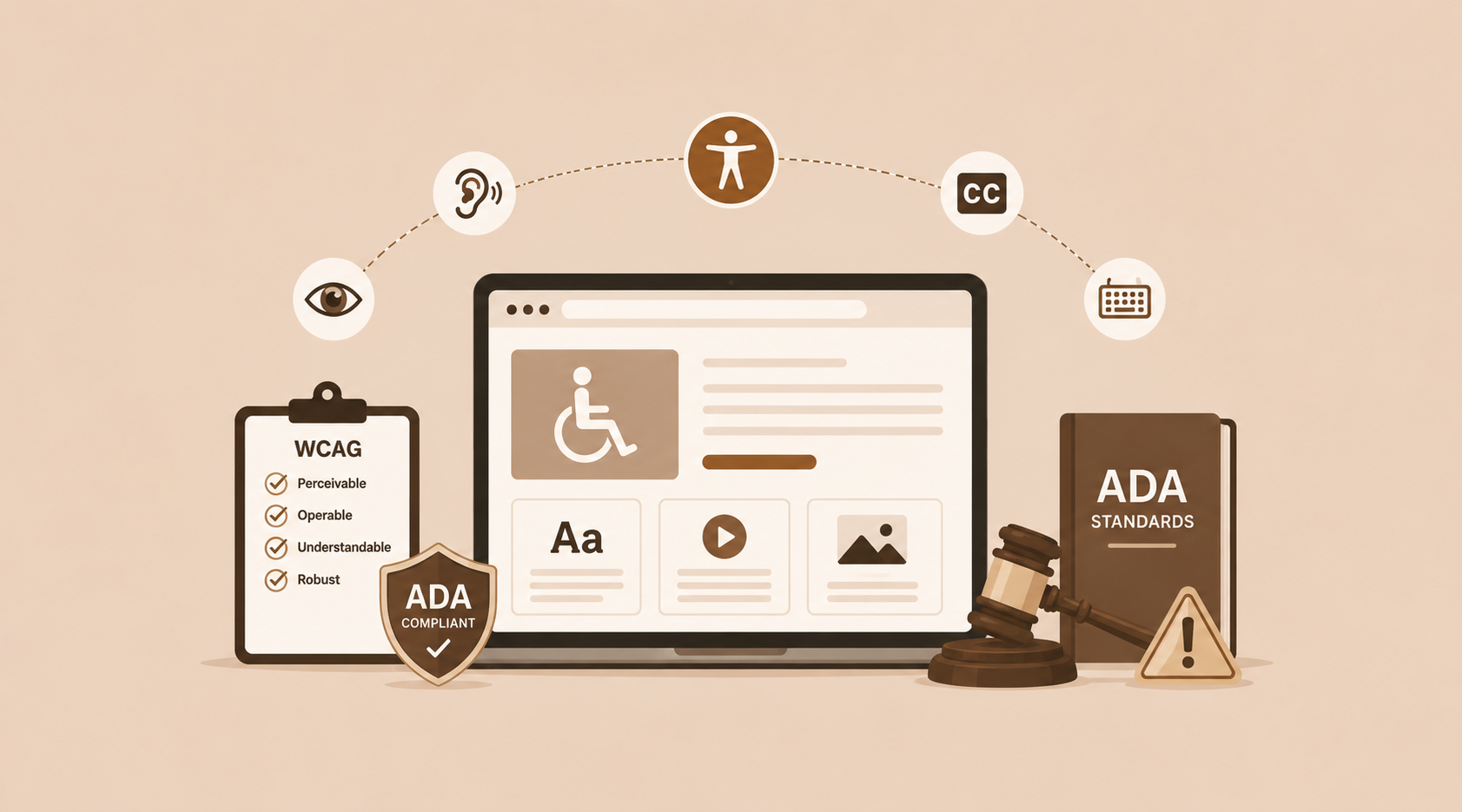
- Implement accessibility standards
- Optimize interface elements for faster loading
A well-designed website improves trust and encourages users to explore further.
Phase 5: Content Development Checklist
Content is the foundation of any successful website. It communicates your brand message, explains your services, and helps search engines understand your business.
Content Checklist
- Write compelling homepage messaging
- Create a strong and authentic About page
- Develop detailed service or product descriptions
- Create a conversion-focused Contact page
- Develop a blog or content marketing strategy
- Write SEO-optimized headlines
- Use persuasive calls-to-action across pages
- Maintain consistent brand tone and voice
- Improve readability using headings and short paragraphs
- Add testimonials, reviews, or case studies
High-quality content builds trust and improves website engagement.
Phase 6: SEO Optimization Checklist
Search engine optimization is one of the most important elements of a successful website.
Without proper SEO, even the best-designed websites may struggle to attract traffic.
Implementing a strong search engine optimization strategy ensures that your website ranks in search results and attracts the right audience.
On-Page SEO Checklist
- Conduct keyword research for important pages
- Optimize title tags
- Write compelling meta descriptions
- Use proper heading hierarchy (H1, H2, H3)
- Optimize images with alt text
- Implement internal linking strategy
- Add schema markup for structured data
Technical SEO Checklist
- Generate XML sitemap
- Configure robots.txt file
- Ensure mobile responsiveness
- Optimize Core Web Vitals
- Improve page speed performance
- Implement HTTPS across all pages
SEO optimization ensures your website can appear in search engines and AI search tools.
Phase 7: Development and Security Checklist
During the development stage, the focus shifts to building a secure and scalable website.
Development Checklist
- Develop responsive frontend design
- Integrate backend systems and databases
- Implement secure authentication systems
- Optimize database queries for performance
- Implement website security measures such as firewalls and malware protection
Strong development practices ensure stability, security, and performance.
Phase 8: Pre-Launch Testing Checklist
Before launching the website, thorough testing is required to identify technical issues.
Testing Checklist
- Test website across different browsers and devices
- Identify and fix broken links or errors
Additional testing may include speed testing, form validation, and SEO audits.
Post-Launch Growth and Optimization
Launching a website is only the first step. Continuous optimization is required to maximize its potential.
Post-launch strategies include:
- content marketing
- search engine optimization
- conversion rate optimization
- analytics monitoring
- performance improvements
Websites that continuously evolve and improve are far more likely to generate traffic, leads, and long-term business growth.
Conclusion
Developing a successful website requires more than just attractive design. It involves strategic planning, technical development, user-focused design, SEO optimization, and ongoing improvements.
By following this complete website development checklist, business owners can ensure their website is optimized for performance, search visibility, and conversions.
When done correctly, a website becomes a powerful digital asset that strengthens brand credibility, attracts customers, and supports long-term business growth.
You can connect with our experts to discuss your website development requirements and explore the right digital solutions for your business.







 +91-7982030802
  +1(315) 585-1155