

When I first jumped into SEO back in 2004, things were so simple it’s almost funny to think about now. We’d throw in keywords everywhere, grab a bunch of backlinks, and boom, you’d rank. Seriously. Now? It’s completely different. AI in SEO has become something I can’t ignore anymore, and honestly, if you’re not paying attention to it yet, you’re going to get left behind.
I’ve seen Google and other search engines go from just matching keywords to actually understanding what people want. They get context now. They understand if you’re looking to buy something or just read about it. And they know when you’re trying to find a pizza place near you. It’s wild.
The goal of this piece is to walk you through what’s actually happening with AI-powered SEO and what moves make sense for your business right now. I’m going to keep it real based on what I’ve actually done over the last 20 years.
What Is AI in SEO?
So what exactly am I talking about when I say AI-powered SEO? Basically, it’s using machine learning and smart algorithms to do things faster and smarter than manually doing everything yourself. Instead of me sitting there for hours analyzing keywords and competitors, software can do that in minutes. NLP (Natural Language Processing) helps tools understand what people actually mean when they search, not just the exact words they type.
Real talk, the old way of doing SEO and the new way look totally different:
Old school vs what we do now:
- Manual keyword research for days vs. AI showing you trends in an hour
- Optimize a page once and forget about it vs. adjusting constantly as things change
- Me analyzing data by hand vs. machines spotting patterns I’d never catch
- Guessing what users want vs. AI telling you exactly what they’re looking for
The impact of AI on SEO has been massive. I mean, truly. Ten years ago, I couldn’t do what I do today.
The Real Impact of AI on Search Rankings
RankBrain was honestly a wake-up call for me when Google introduced it. I remember thinking, “Wait, so they’re literally teaching the algorithm to learn?” Then BERT came along. Now Google keeps pushing updates that basically reward actual helpful content written by real people.
What Google’s doing now is pretty sophisticated. They don’t just look at words anymore. They’re trying to figure out:
- What are you actually trying to find when you search? Buy something? Learn something? Find a location?
- How long do people stay on a website? Do they immediately go back to Google or stick around?
- Does the content answer what someone really wanted to know?
From my day-to-day work, I notice that AI search optimization isn’t really about keywords much anymore. It’s about answering the real question. Write something useful that actually helps people, and you’ll do okay. Write something just to get clicks? Google figures it out pretty quickly.
How AI SEO Tools Are Changing Content Creation
I’ll be honest, when ChatGPT first came out, I was skeptical. Like, really skeptical. I’d been writing content for clients for years, and the idea of AI doing that job made me uncomfortable. But I actually tested these tools myself. And you know what? They’re useful, just not in the way people think they are.
Generative AI SEO tools like Jasper, Copy.ai, and ChatGPT don’t write my articles. But they help me a lot. Here’s what I actually use them for:
- Getting ideas and outlines for a piece before I even start writing
- Researching keywords and seeing what people are searching for
- Writing a rough first draft that I completely rewrite with my own voice
- Handling multiple pieces faster without losing quality
- Exploring different angles before I settle on the final one
Now the big question everyone asks: Can AI-generated content rank? Sure, it can. But not if it’s just pure AI output. Google doesn’t flag AI content and say “rejected.” They just care if it’s helpful. Most pure AI content isn’t very helpful. It’s generic. It’s missing the real examples and insights that come from actually doing the work.
Here’s what usually goes wrong with full AI content:
- It copies stuff from other sources without saying anything new
- The facts sometimes just aren’t right and hard to spot
- It sounds robotic even when you don’t realize it
- Everything starts looking the same
My advice? Use AI for the research part, then do the actual writing yourself. Let AI help with outlines and structure, then add your real experience and voice. That combo works great.
Essential AI SEO Tools Worth Your Time
Look, I use a bunch of tools. Some are worth it, some aren’t. Here’s what actually helps me and why.
For Keyword Research
Semrush AI
- Faster than manual keyword research by hours
- Shows competitive insights instantly
- AI-driven recommendations for keyword opportunities
- Perfect if speed is your bottleneck
Ahrefs
- Integrated AI features for gap analysis
- Shows exactly where competitors are getting traffic
- Helps identify untapped opportunities
- Great for competitive intelligence
Surfer SEO
- Uses machine learning to analyze top-ranking pages
- Tells you exactly what topics to cover
- Compares your content to SERP leaders
- Best for content gap identification
For Content Optimization
Clearscope
- Helps identify relevant topics and related keywords for your content
- Shows content gaps compared to top-ranking competitors
- Supports semantic SEO and content relevance optimization
- Reduces manual content research time significantly
Frase
- Analyzes commonly searched questions and SERP queries
- Helps identify content opportunities and user intent gaps
- Assists in creating SEO-focused content briefs
- Useful for optimizing content around audience needs
MarketMuse
- Identifies underserved or low-competition content opportunities
- Helps with content planning and SEO strategy
- Provides AI-driven recommendations for content structure and depth
- Useful for building topical authority in niche areas
For Technical SEO
Screaming Frog
- Automated crawling to find technical problems
- Identifies issues before they hurt rankings
- Efficient site auditing at scale
How to Choose the Right Tools
Don’t just buy what’s trendy or expensive. Pick based on your actual needs.
- Identify your bottleneck – What takes the most time in your process?
- Fix that first – Invest in a tool that solves your biggest problem
- Check integration – Make sure it works with your existing tools
- Test before buying – Most have free trials; use them
- Avoid over-buying – You don’t need every tool. Pick 3-4 that solve your main problems
- Think ROI – Will this tool save enough time to justify the cost?
The Future of SEO With Artificial Intelligence
I think about where this is all going a lot. The future of SEO looks really different from today.
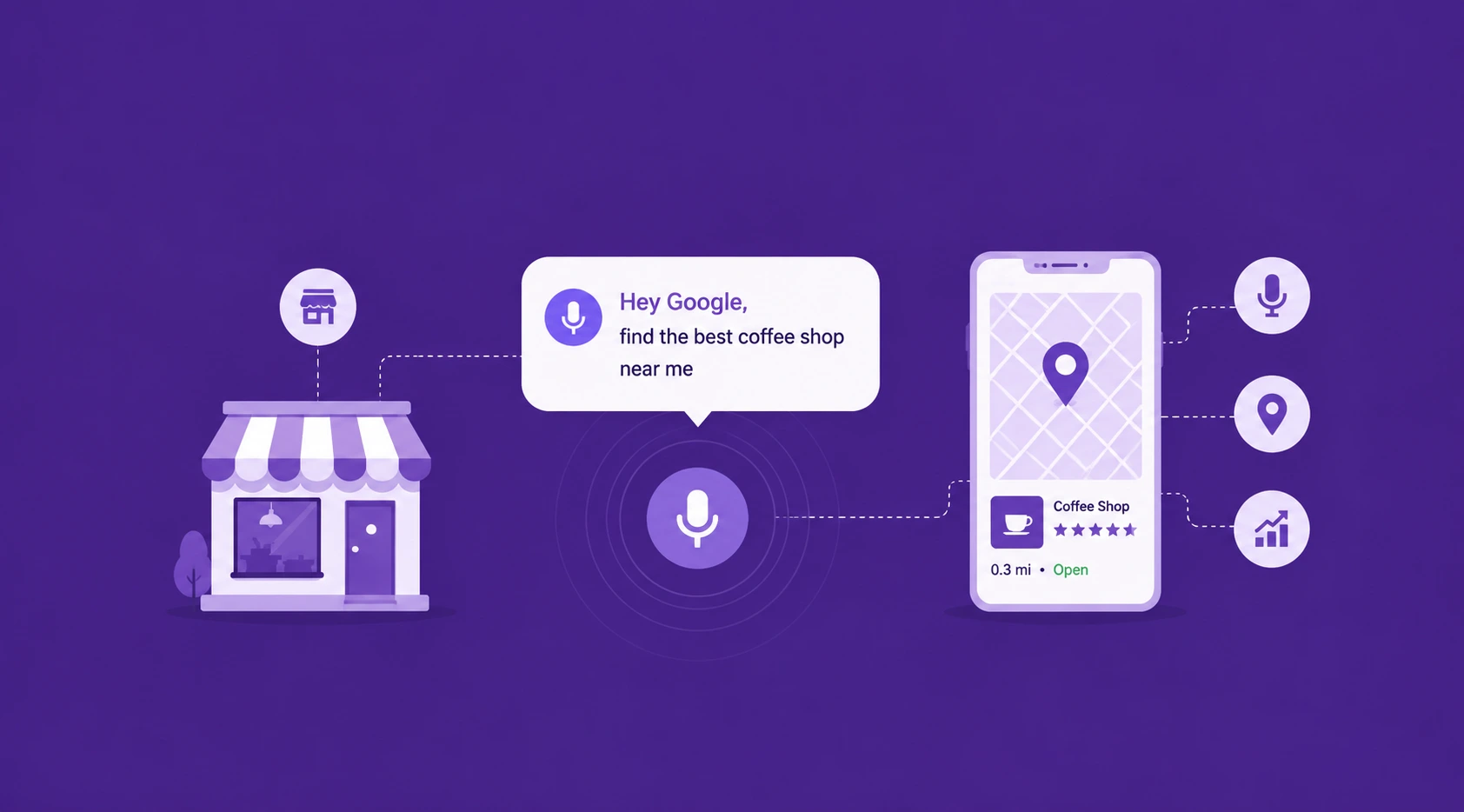
People aren’t just typing keywords anymore. They’re talking to Google like it’s a person. They ask full questions. They use voice search on their phones. So long-tail keywords matter way more than they used to. You gotta optimize for how people actually talk, not how they type.
Google’s also personalizing everything. Your results aren’t the same as your neighbor’s results. Google uses what it knows about you to shape what shows up. For us, that means more people in your target audience seeing your stuff if you nail the optimization.
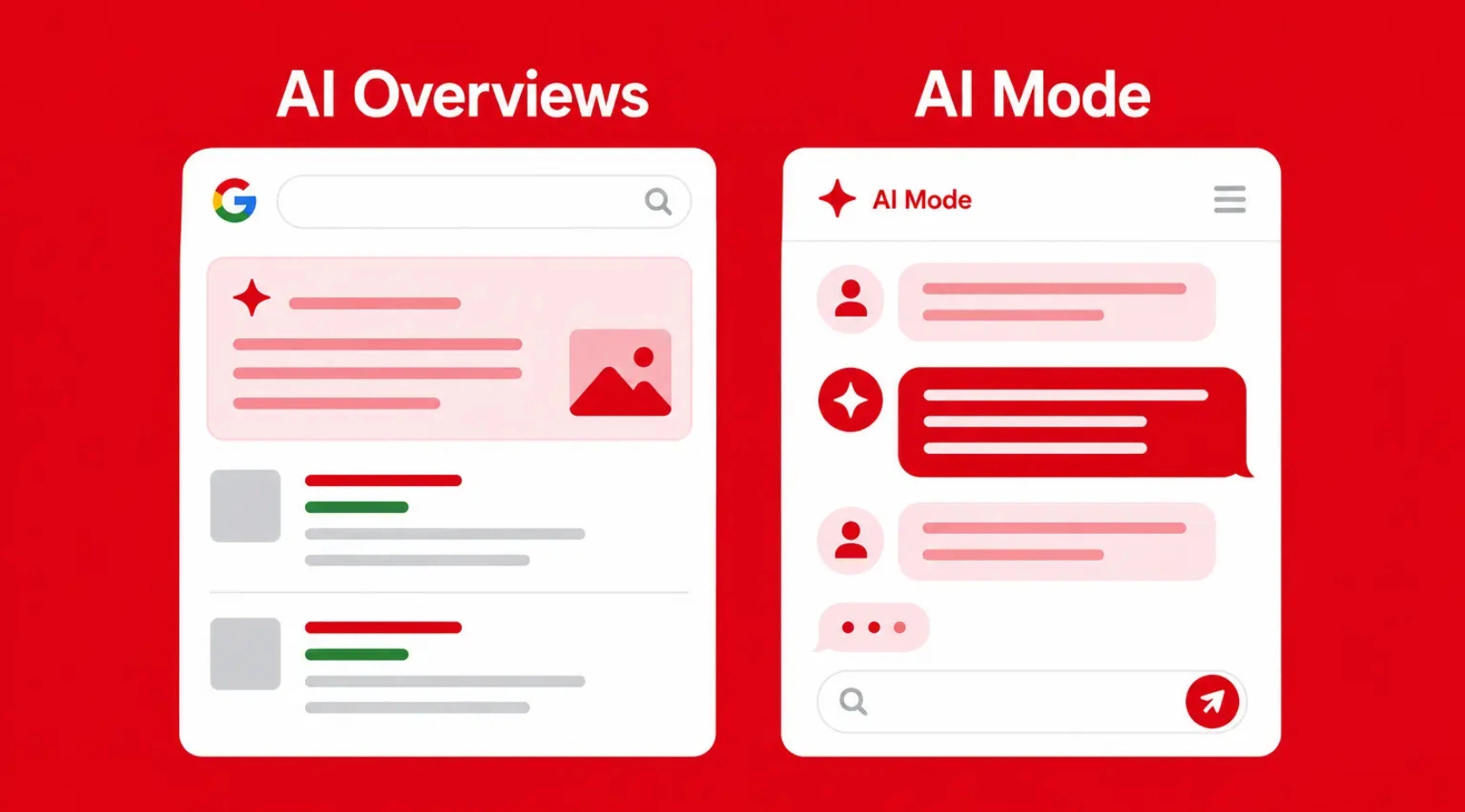
And honestly? Some searches now don’t even need you to click. Google answers them right in the results. So getting featured snippets and direct answers is crucial. It’s not just about ranking anymore; it’s about answering the question right there.
The future of SEO involves AI handling a lot of the routine stuff. But the people who actually succeed aren’t the ones who just use tools. They’re the people combining AI insights with real strategy, creativity, and what makes your brand actually different. You gotta have something to say. Can’t just copy everybody else.
Best Practices I Actually Use
I want to give you real advice that I actually follow. Don’t just do what an AI tool tells you to do. Seriously. I see recommendations, and I think “wait, that doesn’t make sense for this site.” You gotta use your brain. Think about why a recommendation makes sense for your specific business.
1. Create Helpful, Original Content
This is the foundation. Not groundbreaking stuff, just something people can’t find 10 other places.
- Share what you actually know from real experience
- Write about what you’ve done, not what you’ve read
- Add your unique perspective and insights
- Avoid copying or repeating what competitors already covered
2. Match What People Are Actually Looking For
Before I write anything, I actually do the search myself.
- Type your target keyword into Google
- Look at what results show up
- Check the “People Also Ask” section for common questions
- Answer those exact questions in your content
- This simple step transforms your content from generic to useful
3. Use AI for Heavy Lifting, Keep Strategy for Your Brain
AI is great at some things. Let it handle the routine work.
- AI does: Keyword research, competitor analysis, performance tracking
- You do: Strategic thinking, audience insights, voice and tone
- Spend your time on what your audience actually cares about
- Focus on how to say things in your authentic voice, not just what to say
4. Monitor Your Numbers Constantly
Don’t write something and forget about it. Track everything.
- Are people actually coming to your content?
- Are they clicking your links?
- Are they taking desired actions (buying, signing up, inquiring)?
- Check your analytics regularly
- Change what isn’t working based on real data
Challenges You’ll Face With AI in SEO
Real talk, the impact of AI on SEO comes with problems. But they’re fixable if you know what to watch for.
The Main Challenges:
- AI generates inaccurate information – Content can sound authentic but contain false facts that are hard to spot
- Recommendations don’t fit every business – I’ve seen AI-powered SEO tools suggest strategies that make no sense for specific industries or niches
- Automation addiction – People start relying on tools so much they stop thinking strategically about their actual goals
- Constantly changing policies – Google keeps shifting what they allow regarding AI content, so you need to stay informed
How to Actually Fix This:
- Stay updated on what Google’s saying about AI in search
- Have an expert edit anything AI helps create before publishing
- Spot-check facts and data in AI-generated content
- Don’t just publish whatever an AI tool spits out
Final Thoughts
I’ve been doing this for twenty years. The one thing I know for sure is that AI in SEO isn’t going away. But it’s not replacing people either. If anything, understanding how to use these tools well while still being smart about strategy is what matters.
The companies winning right now aren’t the ones blindly using AI. They’re mixing AI-powered SEO tools with actual thinking and strategy. They treat AI like an assistant that helps them work faster, not like it does all the work. And they keep their brand voice and unique perspective.
So get comfortable with these tools. Learn them. But don’t let them do all your thinking. The real success comes from combining what AI can do with what you know about your business and your audience. That’s the edge.
Ready to Level Up Your SEO Strategy?
Understanding AI in SEO is one thing. Implementing it effectively is another. If you’re looking to transform your digital marketing strategy with AI-powered insights and proven tactics, BinaryMetrix has the expertise and tools to help you win.
Visit us at https://binarymetrix.io/ to discover how we’re helping businesses leverage AI for SEO growth. Let’s talk about your specific challenges and find solutions that actually work for your business.







 +91-7982030802
  +1(315) 585-1155