

Ever typed a question into Google just to learn something? That’s an informational keyword at work. These are the searches people run when they want an answer, not a purchase, and they make up the majority of everyday search queries. Which is exactly why understanding informational keywords is one of the fastest, cheapest ways to grow organic traffic.
This guide walks through how they work, how they differ from other query types, and how to actually find and use them so your content shows up when people are looking for answers. New to the topic? Start with a quick refresher on <a href=”https://binarymetrix.io/what-is-seo/”>what SEO actually involves</a> before diving into intent-specific strategy.
What Are Informational Keywords, Exactly?
Search terms people use when they want knowledge, not a product or service. “How does compound interest work.” “Symptoms of dehydration.” “Best time to plant tomatoes.” Nobody typing phrases like these is reaching for a credit card. They just want understanding.
Here’s why that distinction matters so much: search intent shapes everything about how a page should be built. Someone looking for information wants clear, well-organized answers. Someone with buying intent wants pricing, comparisons, a checkout button. Mix the two up and you’ll lose rankings fast, because Google matches page content to the intent behind a query, not just the words sitting inside it.
Informational search intent sits at the top of the marketing funnel. People here are usually early in a decision, sometimes years away from buying anything related to what they typed. That doesn’t make the traffic less valuable, though. It just makes it a different kind of valuable, one built on trust and long-term visibility instead of an immediate sale.
Why Informational Search Intent Matters for SEO in 2026
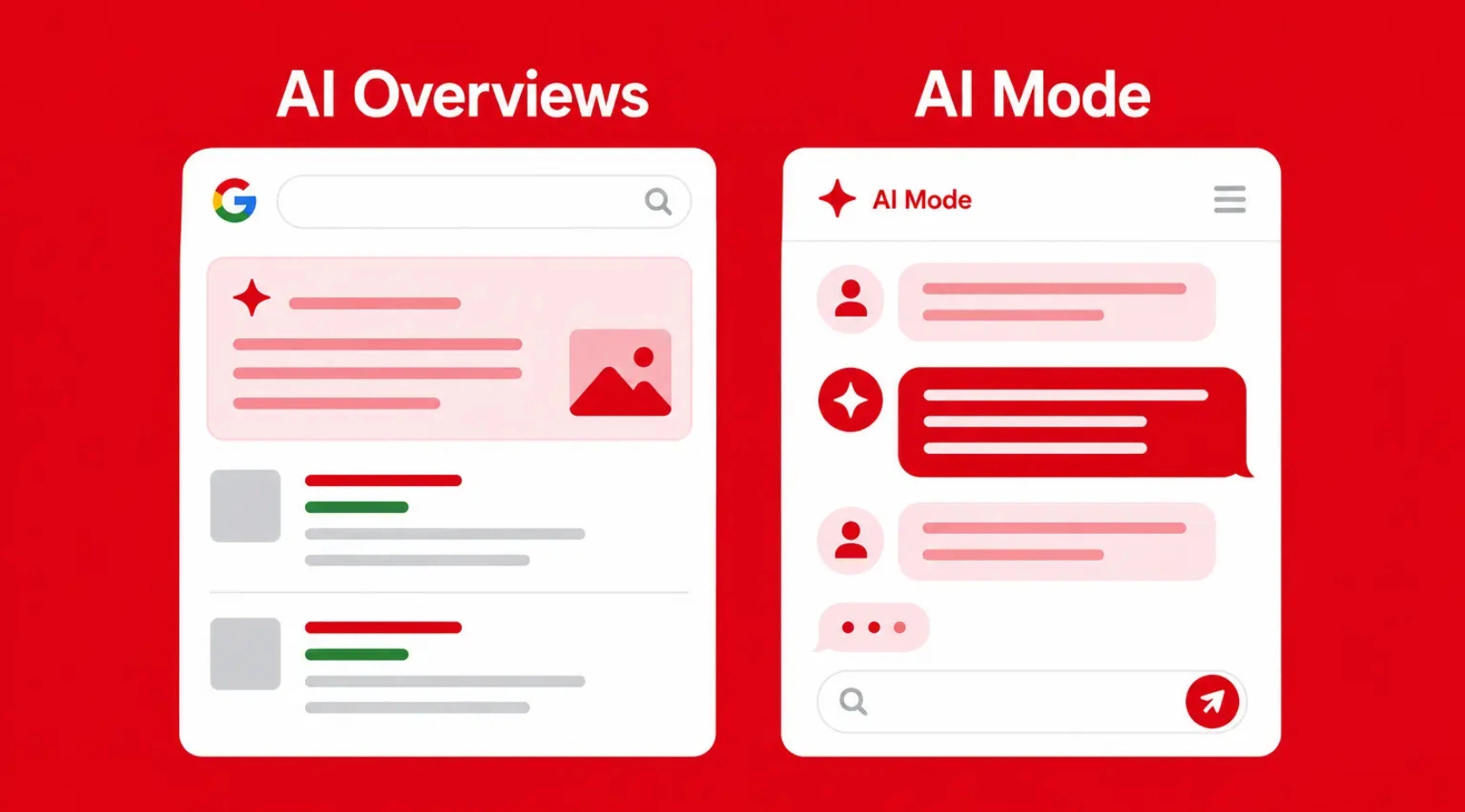
Search behavior has shifted a lot in the past few years. AI-generated answers now show up directly on the results page for a huge share of informational queries, meaning plenty of casual searches get resolved without a single click. Sounds like bad news for anyone writing content, right? Except it actually raises the value of doing informational content well.
This ties directly into how artificial intelligence is reshaping search. Pages that answer questions thoroughly, with real structure and clean formatting, tend to be the ones AI systems pull from and cite. Thin, keyword-stuffed pages just get skipped over. So yes, the bar for ranking on these queries has gone up. But so has the reward, since clearing that bar can mean visibility inside AI answers, featured snippets, and standard organic rankings, all at once.
There’s a trust angle too. A visitor who finds a genuinely useful answer remembers where they found it. Answer their “how” or “what” question clearly, and they’re more likely to come back when they’re ready to buy, more likely to click your brand name the second time around instead of a competitor’s.
Informational vs Other Types of Search Queries
Search intent in SEO generally splits into four buckets. Knowing where informational keywords sit relative to the others helps you build content that actually matches what a searcher wants, instead of guessing.
| Query Type | Searcher Goal | Example Query | Typical Content Format |
| Informational | Learn or understand something | “what is a CDN” | Guides, explainers, how-to articles |
| Navigational | Find a specific site or brand | “BinaryMetrix contact page” | Homepage, landing page |
| Commercial | Compare options before buying | “best CRM software 2026” | Comparison posts, reviews |
| Transactional | Complete a purchase or sign-up | “buy Shopify theme” | Product pages, pricing pages |
Understanding keyword intent this way keeps a content strategy honest. Write a comparison-style article for a query that’s actually informational, and you’ll frustrate the reader, then probably lose the ranking anyway, since Google rewards pages that match the dominant intent behind a term rather than pages that just happen to contain the right words.
Building out a full content plan? It’s worth studying how commercial keywords work, what makes a keyword transactional, and how navigational search terms behave as well. Most sites need all four types working together, not just one in isolation.
How to Find Informational Keywords

Not complicated, honestly, just a bit of patience. Here’s a process that works whether you’re writing your first blog post or planning out a full content calendar.
Start With Question-Based Tools
Free tools like Google’s “People Also Ask” boxes, AnswerThePublic, or plain old autocomplete in the search bar are goldmines for informational search intent examples. Type in your core topic and watch what Google suggests. Real searches from real people, not guesses.
Check What’s Already Ranking
Search your target topic, then look at the top five results. All guides, explainers, or FAQ-style pages? Strong signal the query is informational. Product pages and pricing tables instead? The intent is probably commercial or transactional, even if the query itself is phrased like a question.
Mine Your Own Customer Questions
Sales calls, support tickets, comment sections, they’re all packed with genuine questions your audience is already asking out loud. These often turn into some of the best long-tail informational keywords, mostly because they reflect real confusion or curiosity rather than whatever a keyword tool happened to spit out.
Use a Proper Keyword Research Tool
Once you’ve got a list of question ideas, run them through a keyword research tool to check volume and difficulty. Prioritize keyword research around queries with steady, realistic numbers instead of chasing the biggest one on the list. Ultra-competitive informational terms are usually owned by giants like Wikipedia anyway, and there’s little point fighting for page one against that.
Informational Keywords Examples by Industry
Real examples across different industries make the concept a lot easier to apply to your own niche.
- Health and wellness: “how much water should I drink daily,” “signs of iron deficiency”
- Finance: “what is an ETF,” “how does a 401k match work”
- Home improvement: “how to unclog a drain naturally,” “when to reseal a driveway”
- Software and SaaS: “what is API integration,” “how does two-factor authentication work”
- Web development: “what is website development,” “how long does it take to build a website”
Notice the pattern? Every single one starts with “what,” “how,” “why,” or “when.” Not a coincidence. Question words are the clearest signal of informational search intent out there, and they’re a handy filter when you’re sorting a big keyword list into buckets.
How Keyword Intent Shapes Your Content Strategy
Once a query’s confirmed as informational, the content decisions get a lot easier. You’re not trying to sell anything on that page. You’re trying to be the clearest, most complete answer a searcher can find.
Practically, that means structuring the page around the actual question, using subheadings that mirror how someone would ask follow-up questions naturally, and skipping the temptation to bury the answer under three paragraphs of throat-clearing. Someone searching “how does a 401k match work” wants the mechanics explained in the first few sentences, not after a long detour into retirement planning in general.
It also means thinking about where a piece of informational content sits in a bigger picture. A single blog post rarely wins a competitive niche on its own. Pairing informational search queries with a broader SEO strategy built around current best practices gives each individual piece more support, since internal linking and topical depth both influence how search engines evaluate a page over time.
A Real-World Example
A small home services company I worked with had almost no organic traffic outside of branded searches. Their blog had a handful of posts, all built around commercial terms like “best HVAC company near me,” which makes sense as a target but is a rough fight for a small local business to win outright.
So we shifted about a third of the content calendar toward questions their customers were actually asking during service calls. “Why is my AC blowing warm air.” “How often should I change my furnace filter.” Stuff like that. Within a few months, several pages started ranking on page one, not because the competition was weak, but because almost nobody else in their market had bothered to answer those specific questions clearly.
That traffic wasn’t ready to book a service that same day, of course. But a chunk of it converted weeks or months later, when the same person searched something closer to “AC repair near me” and recognized the company name from that earlier, genuinely helpful article. That’s the compounding value of informational content done right.
Common Mistakes to Avoid When Targeting Informational Search Intent
Even experienced marketers trip on this. A handful of patterns show up again and again.
- Forcing a sales pitch into an answer: Someone asking “what is SEO” doesn’t want three paragraphs about why your agency is the best choice before you actually get to the explanation.
- Ignoring featured snippet formatting: Short, direct answers near the top of the page, usually 40 to 60 words, have a much better shot at winning the snippet box.
- Treating every question the same way: Some informational queries just need a quick paragraph. Others genuinely deserve a detailed comparison table breaking down search intent categories side by side, especially when the topic has several angles worth covering.
- Skipping internal links: Informational pages are a natural bridge to deeper content elsewhere on a site, including how link building supports long-term rankings, but only if you actually link to it.
Avoiding these mistakes mostly comes down to respecting the reader’s original question. Answer it clearly and completely, and most of the SEO upside follows on its own.
Final Thoughts
Informational keywords aren’t just a stepping stone toward “real” SEO work aimed at buyers. More often, they’re the foundation everything else stands on, building trust, topical authority, and a reason for search engines to treat your site as a genuine resource rather than another sales page. Getting comfortable with informational search intent, and building content around it on purpose instead of as an afterthought, tends to pay off well past the initial bump in traffic.
Mapping out a content calendar and want a second opinion on how informational, commercial, and transactional pages should work together? It’s worth reviewing what a professional SEO partner typically handles as part of a full strategy, then weighing that against what your in-house team can realistically manage on its own.







 +91-7982030802
  +1(315) 585-1155