
We started doing this back in 2004, and man, backlinks were absolutely wild back then. You’d find webmasters trading links with anybody—it didn’t matter if the sites made sense. Just swap the links, watch metrics go up, move on. Half that stuff would destroy your site today.
Here’s the crazy part: link building actually matters MORE now. It’s just different. You can’t fake it anymore. Google figured it out.
If you’re new to SEO and keep hearing about link building like it’s magic, don’t stress. It’s simpler than people make it sound. We’re gonna break this down the way we’d explain it to clients, no BS.
What Is Link Building?
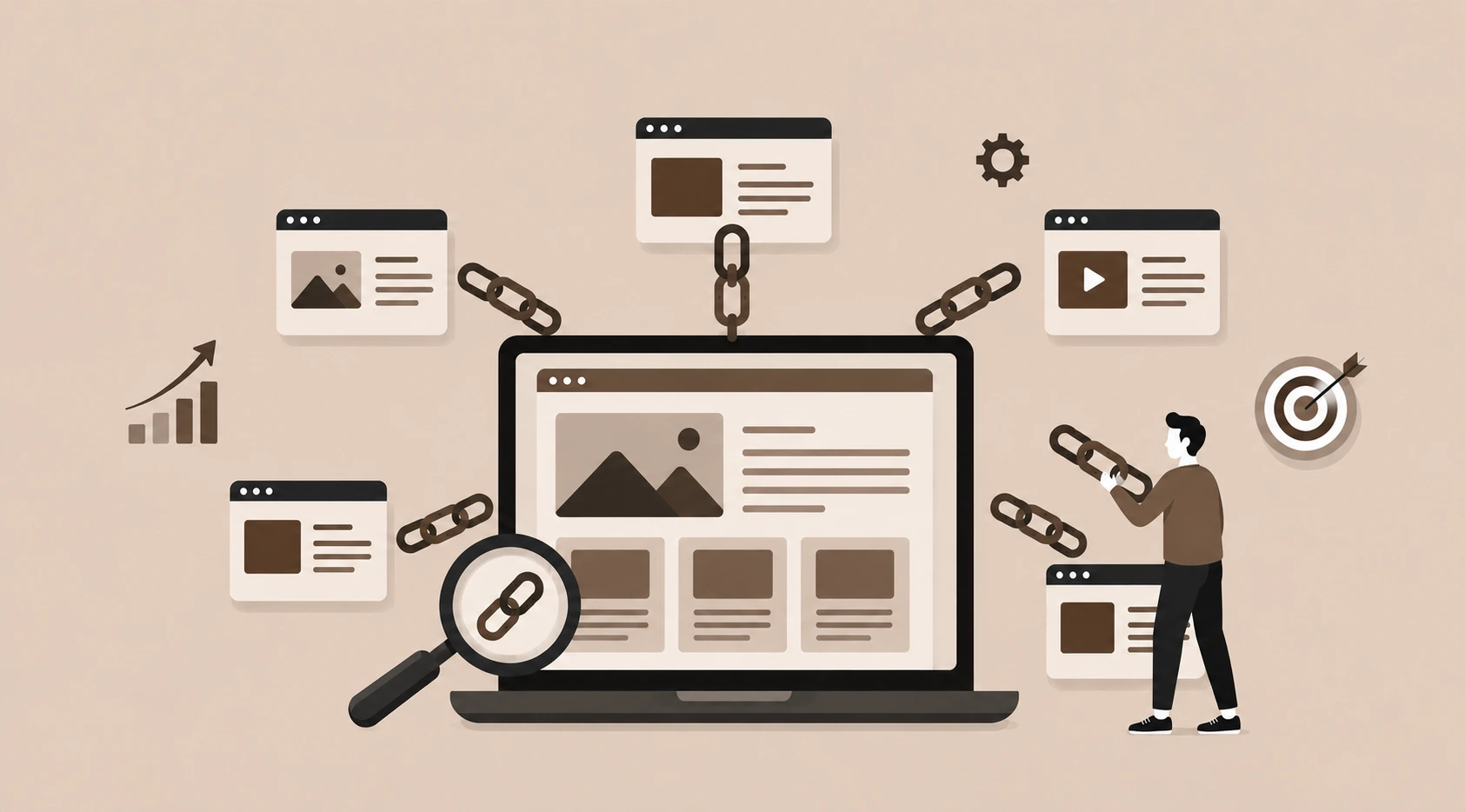
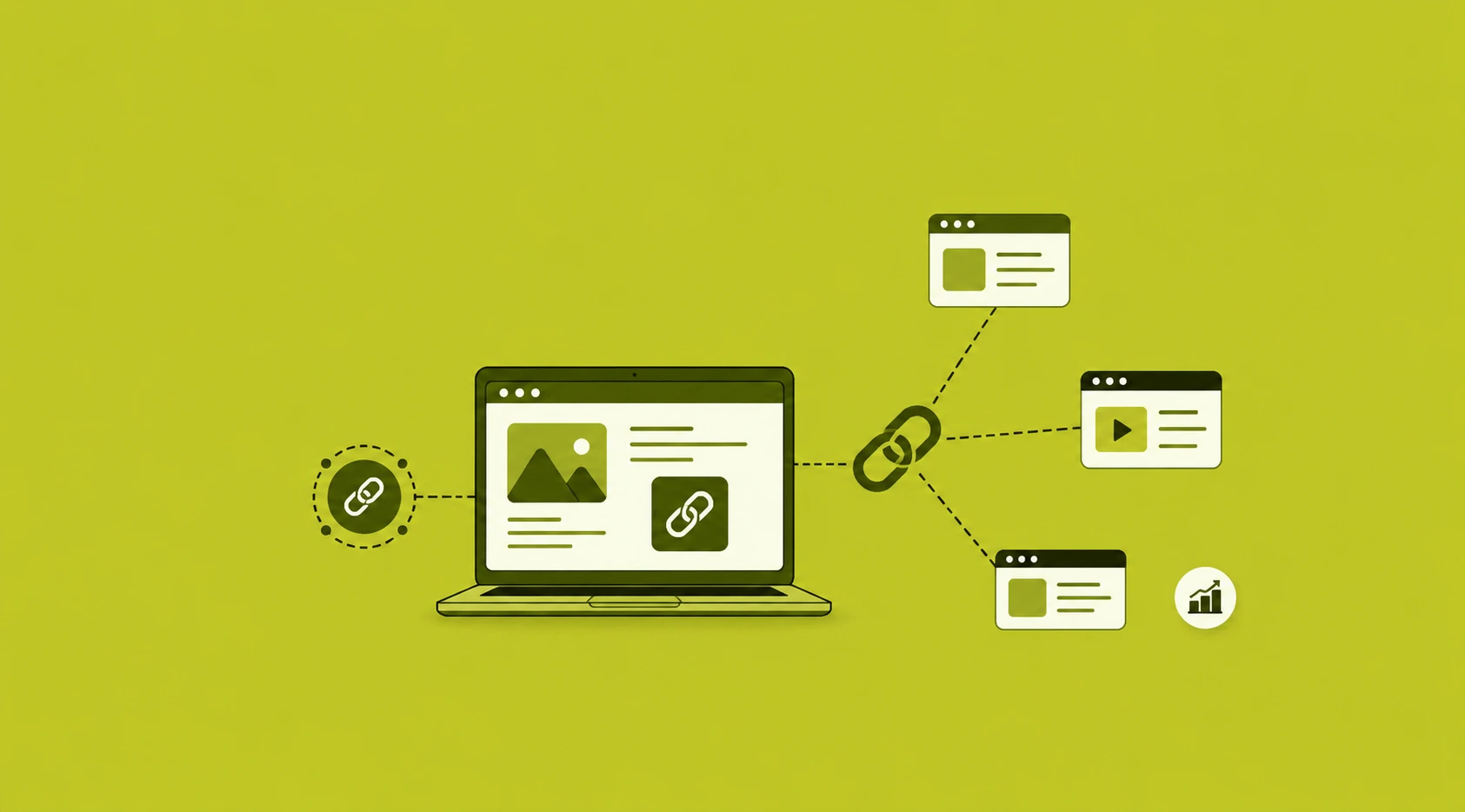
Link building means you get other websites to link to your website. That’s literally it. When another site links to you, we call that a backlink or inbound link. It’s one site saying, “Hey, this other site is worth your time.”
Example: You run a marketing blog. TechCrunch publishes something and links to one of your articles. That’s a backlink. You didn’t pay for it. They linked because your work was solid.
Google treats backlinks like votes. Think of them as recommendations. More vouches = Google thinks you’re legit = better rankings.
But not every link is worth the same. A link from the New York Times crushes a link from RandomBlogNo47.com. One has weight. The other is basically worthless.
Key Types of Links You Need to Know
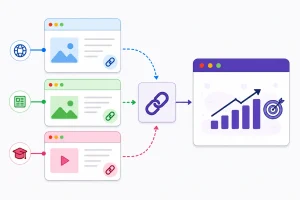
Let me clear up three terms that confuse people:
- Backlinks (external links pointing TO your site): The New York Times links to your article
- Internal links (links between pages on YOUR site): You click from your homepage to your blog post
- External links (links FROM your site going OUT): You link to a HubSpot resource
For rankings? Backlinks matter most. Internal links help structure and navigation. External links show relevance. But backlinks move the ranking needle.
Build real authority with white hat link building strategies that drive rankings, traffic, and long-term SEO growth without risking Google penalties.
Get Link Building Services
Why Link Building Matters for SEO
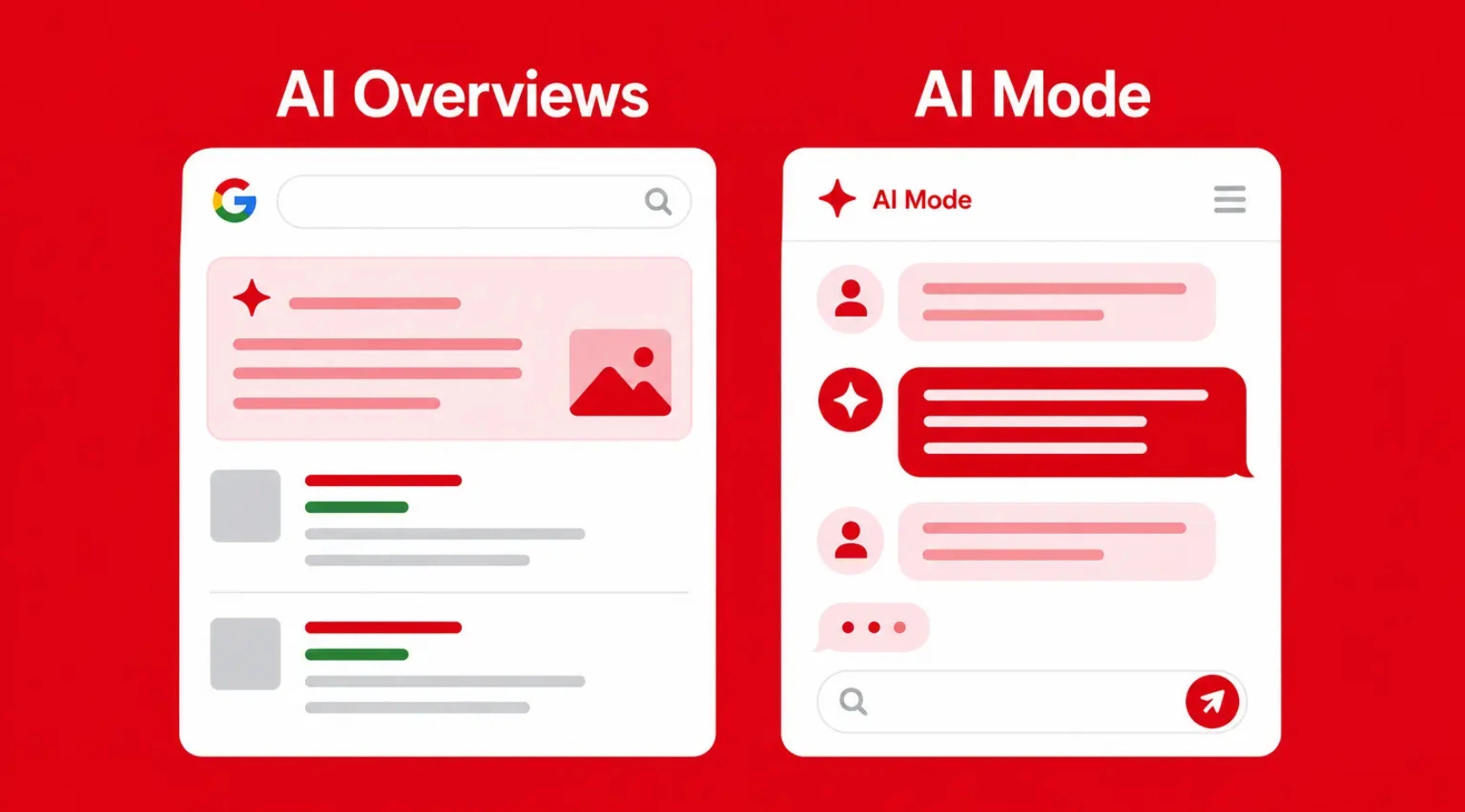
We’ve watched algorithm updates reshape SEO many times. When Google dropped that AI overhaul in 2024, everyone asked: “Are backlinks dead now?” Not even remotely.
Here’s what link building does:
- Improves search rankings: Backlinks are one of Google’s three biggest ranking factors
- Builds domain authority: Quality links from different sources signal expertise in your niche
- Drives referral traffic: People click these links and visit your site
- Establishes credibility: Established brands linking to you validate your trustworthiness
- Helps discovery: Google crawlers find and index your new pages faster when established sites link to them
- Creates topical authority: Links from relevant sources position you as an expert
We worked with a SaaS company that was stuck at position 8 in Google search results. Their content was strong, and technical SEO was already optimized. The missing piece was backlink authority. After six months of strategic white hat link building from relevant industry websites, the company reached position 3 without changing the article itself. The backlinks made the difference.
How Search Engines Evaluate Backlinks
Google looks at several things when deciding if a link matters:
- Relevance of the linking website: If you’re in marketing, a link from a marketing blog means something. A link from a knitting forum? Basically useless. Context matters.
- Authority of the linking domain: A 50+ year old domain with tons of backlinks carries weight. A new site with two backlinks? Doesn’t move the dial.
- Anchor text signals: The clickable text. If your article is about “link building techniques” and the anchor text says “link building techniques,” Google knows it’s relevant. If it says “click here,” that’s weak.
- Contextual placement inside content: A link buried in the footer or sidebar doesn’t hit as hard as one naturally woven into text. Google knows the difference.
- Dofollow vs nofollow links: A dofollow link passes ranking power. A nofollow link doesn’t boost rankings directly but drives traffic and builds brand awareness. Both matter.
- Link quality vs link quantity: Google looks at your whole picture. If 90% of backlinks come from one website or use the same anchor text, that looks artificial. Real profiles are diverse.
Types of Backlinks
Editorial Backlinks
You create something valuable, and other sites naturally link to it. You don’t ask. This is the goal.
Guest Post Backlinks
You write an article for another site and include a link back. Works when the publication is legit and matches your audience.
Business Directory Backlinks
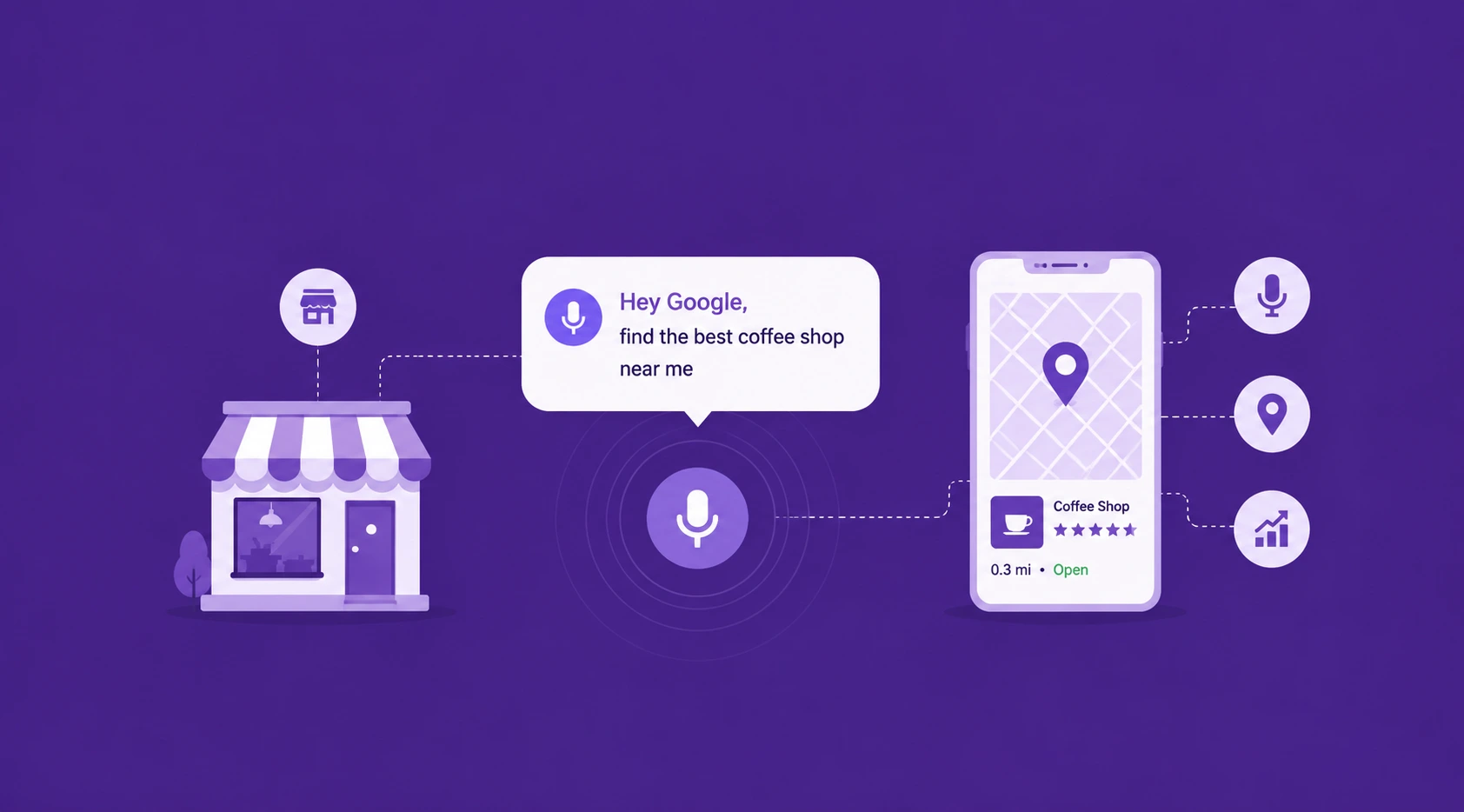
Google My Business, Yelp, and local directories. Essential for local businesses.
Digital PR Backlinks
Your business gets mentioned in news articles, industry publications, or podcasts with links. Carries serious weight.
Resource Page Backlinks
Someone curates a resource list in your niche and includes your content. Gets bookmarked and drives real traffic.
Forum & Community Backlinks
Links from Reddit, Stack Exchange, or niche professional forums. Shows engagement in your industry.
Profile Backlinks
Your bio on other sites, speaker pages, author profiles. Individually weaker, but adds credibility over time.
What Makes a Quality Backlink?
After 20 years in this game, here’s what separates a backlink that actually matters:
- Relevant niche website: The link comes from a site in your industry
- High-authority website: The site has established trust and authority
- Real organic traffic: Check Ahrefs or Similarweb. Does it get actual visitors?
- Link placed naturally in content: Not in footer, sidebar, or obvious placements
- Unique referring domain: One quality link from a new source beats five from the same site
- Indexed webpage: Google can crawl and index the page with your link
- Natural anchor text: Varied and sounds natural, not the exact same phrase repeated
- Low spam score: The site isn’t covered in spam signals
We once reviewed a client’s backlink profile and found they had over 300 backlinks, mostly from directory sites and low-quality link farms with no relevance to their industry. Instead of focusing on quantity, we rebuilt their strategy with 40 high-quality backlinks from trusted industry websites. Within two months, their rankings showed significant improvement.
Quality beats quantity.
What Are Toxic Backlinks?
Backlinks from low-quality, spammy, or irrelevant sources harm your rankings.
- Spam websites and link farms: Sites that exist just to sell links or manipulate search results.
- Paid spam links: You buy backlinks from sketchy brokers or services.
- Automated backlinks: Links created through automated tools without real value.
- Risks of Google penalties: Toxic backlinks trigger manual actions or algorithm penalties.
- Why toxic backlinks hurt: Google sees them as manipulation signals.
We’ve seen sites drop 50+ positions after negative SEO attacks involving spammy backlinks. Recovery takes months. We recommend auditing backlinks regularly using Ahrefs or SEMrush. Disavow anything sketchy. Never buy cheap links.
White Hat vs Black Hat Link Building
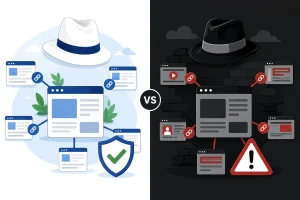
White Hat Link Building
This is what you should be doing:
- Guest posting on reputable publications in your industry
- Digital PR earned through actual news coverage
- Resource page outreach to industry resource lists
- Creating content that earns natural links
- Broken link building (finding dead links, offering your content as a replacement)
Black Hat Link Building
This is the shortcut that isn’t:
- Buying backlinks from link brokers
- Operating Private Blog Networks (PBNs) to create artificial links
- Using automated tools to inject links onto other people’s sites
- Spamming comment sections with your links
- Creating hidden links with CSS tricks
We’ve seen black hat practitioners get away with it for 18 months, then lose everything in a weekend. White hat takes longer, but compounds. Six months in, you’ve built real authority.
Best Link Building Strategies for Beginners
Guest Posting: Write quality articles for relevant publications in your industry. Include one natural link back to your site.
Broken Link Building: Find broken links on relevant websites in your niche. Offer your content as a replacement. We’ve landed 15+ links per month this way.
Resource Page Outreach: Identify curated resource pages in your industry and ask to be included. Links tend to be of solid quality.
HARO & Journalist Outreach Respond to journalist requests on HARO (Help A Reporter Out). Get credible backlinks and media exposure.
Competitor Backlink Analysis: Use Ahrefs to see who links to your competitors. Reach out with your own angle or fresher content.
Unlinked Brand Mentions: Set up Google Alerts for your brand name. Reach out to publishers and ask them to convert mentions into links.
Creating Statistics & Research Content: Original research, surveys, and data attract links naturally. When you’re the source, other sites must link to you.
Skyscraper Technique: Find popular content in your niche, create something 10x better, then promote it aggressively.
Local Directory Submissions For local businesses, Google My Business, Yelp, and industry directories are essential.
Step-by-Step Link Building Process
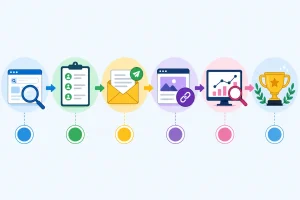
Step 1 – Find Relevant Websites. Use Ahrefs, SEMrush, or manual research to identify sites in your space that link to competitors. These are your targets.
Step 2 – Create Valuable Content. Don’t ask for links until you have something worth linking to. Really invest here. This is the foundation.
Step 3 – Analyze Competitor Backlinks. Understand what types of content your competitors’ sites link to. Look for patterns in topics, formats, and content length.
Step 4 – Send Outreach Emails. Personalized, relationship-focused outreach beats mass templates every single time. Address them by name. Show you’ve actually read their work.
Step 5 – Earn Backlinks Naturally. Build real relationships with people. Create content regularly. Engage with other people’s content. When you do this consistently, good things happen organically.
Step 6 – Track Backlinks Performance. Monitor new backlinks in Ahrefs every month. Track your organic traffic sources. Watch your ranking changes. Pay attention to what’s working and double down on it.
Our SEO experts help businesses increase rankings, organic traffic, and domain authority with proven SEO and outreach strategies.
Book Free SEO ConsultationCommon Link Building Mistakes
- Focusing only on quantity: 10 quality links beat 100 spammy links every single time. Not even close
- Building irrelevant backlinks: A random link from any website doesn’t help if it’s not relevant to your niche
- Using exact-match anchor text repeatedly: Vary your anchor text naturally. “Link building,” “backlink strategies,” “here,” “this resource”
- Buying cheap backlinks: The money you save upfront costs you thousands in recovery and penalties later
- Ignoring backlink quality: Don’t accept every link offered to you. Be selective. You don’t want random links
- Using spam directories: Those $99/year directory submission services are trash. Focus on actual directories with real traffic
- Building links too quickly: If you go from zero to 50 backlinks in one month, Google notices. Looks artificial. Growth should be steady and natural over time
Final Thoughts
Link building isn’t rocket science if you stop thinking about gaming the system and start thinking about earning actual trust. Create genuinely valuable content. Reach out to relevant people. Build real relationships. Do that consistently, and the backlinks will follow. Not in days, but in months.
After 20 years, we’ve watched this play out hundreds of times. The people who win at SEO are the ones who stop trying to manipulate things. They focus on building real authority. Real content. Real connections.
If you want rankings that actually stick and a site that grows sustainably instead of getting penalized, put link building at the center of your SEO strategy. Do it right.






 +91-7982030802
  +1(315) 585-1155