

Silicon Valley has a reputation problem. The moment people hear the name, they assume everything here costs a fortune, including web development. That assumption is only half true.
Yes, a full-time in-house developer in San Jose or Palo Alto comes with Bay Area salaries, among the highest in the world. But “hiring a web developer in Silicon Valley” does not always mean hiring someone who lives there or works from an office on Sand Hill Road. Plenty of Silicon Valley companies build their websites through remote teams based outside the US, including in India. Understanding this distinction is the first step to hiring smart instead of hiring expensive.
This guide breaks down what it actually takes to hire a web developer in Silicon Valley in 2026, what the process looks like, what it costs, and how to avoid the traps that waste time and budget.
Why Businesses Look to Silicon Valley for Web Development

Silicon Valley is not just a location; it is a standard. Startups and enterprises there are used to fast iteration, clean code, and design that converts visitors into customers. Someone searching for a Silicon Valley web developer is usually not just looking for someone who can code. They want:
- Familiarity with modern frameworks like React, Next.js, and Node.js
- Experience working with venture-backed startups or fast-scaling teams
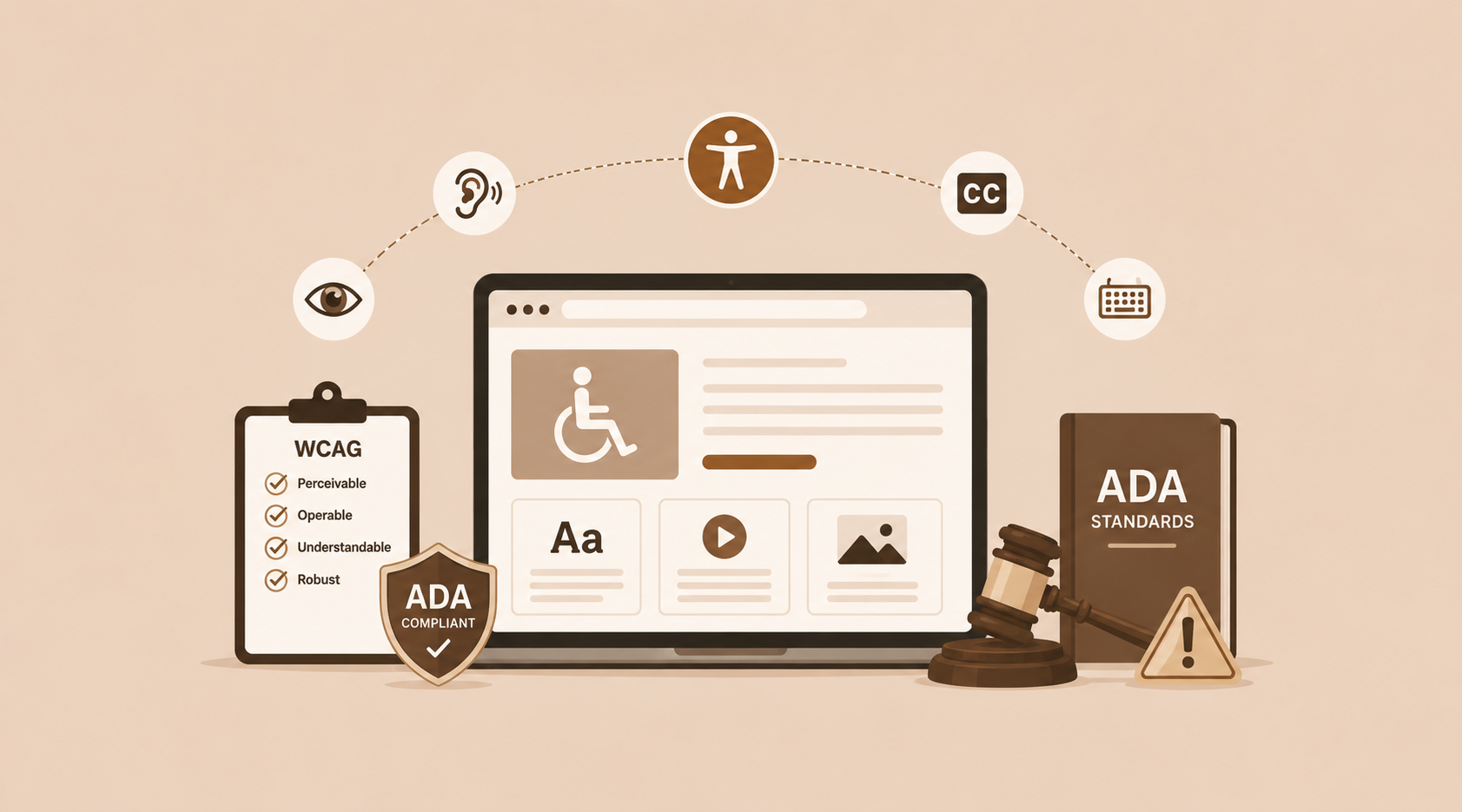
- An understanding of US user behavior and compliance needs like ADA accessibility
- The ability to communicate clearly across time zones, since a developer can be technically brilliant but still slow the timeline if updates take days to explain
This standard is also why so many businesses outside California, including in India, end up building for Silicon Valley clients or brands that want to feel like they belong there. The bar for “good enough” is simply higher once a Silicon Valley audience is involved.
What It Actually Costs to Hire a Web Developer in Silicon Valley
Cost is where most people get surprised. A full-time web developer salary in the Bay Area can run well into six figures annually, and that number rarely accounts for benefits, office space, or the time spent recruiting. Here’s how the main hiring options typically compare:
- In-house Silicon Valley developer: highest cost, best when you need someone physically present on a team
- Remote development team (India or offshore): significantly lower cost, same quality when the team has real US client experience
- Dedicated developer arrangement: a developer or small team assigned to work exclusively on your project, priced somewhere between a full in-house hire and a short, one-off engagement
For businesses building a product meant for the US market, a remote or dedicated setup is usually the practical middle ground. You get people who understand American design and technical standards, without Bay Area rent baked into every invoice.
A Real Scenario: Hiring for a Silicon Valley Startup Website

Here’s a situation that plays out often. A seed-stage startup founder based in Mountain View needs a marketing website and a basic web app built in six weeks, before their next investor demo. A local agency quoted a number that would eat half their runway, and there isn’t time to run a full hiring process for an in-house developer either.
What usually happens next is the founder starts looking at development teams outside the US who have already worked with American startups. The compromise isn’t on quality, it’s on geography, and geography rarely shows up in the final product. What matters more is whether the team asks the right questions upfront: what stack fits the project, what the launch deadline actually depends on, and whether the site needs to integrate with tools like Stripe or HubSpot from day one.
If a website’s foundation is solid, from clean code to fast load times, nobody visiting it can tell where the developer was sitting when they built it. This is exactly why so much of Silicon Valley’s own tech infrastructure is quietly built by teams thousands of miles away.
Skills to Check Before You Hire

Whether you’re hiring in-house or bringing in a remote developer, the checklist does not change much:
- Technical fit. Ask what stack they recommend and why. A developer who suggests custom development for a complex product, instead of pushing a generic template, understands the difference between building fast and building right.
- Portfolio relevance. Don’t just look at how a past project looks, ask how it performs. Load speed, mobile responsiveness, and SEO structure matter more than visual polish.
- Communication style. Notice if they explain technical decisions in plain language on the first call. A developer who can’t explain why they chose a CMS or framework is a warning sign, not a technical limitation.
- Post-launch support. Websites are never really “done.” Ask directly what happens after launch and whether maintenance is included or billed separately.
Common Mistakes Businesses Make While Hiring
- Hiring based on the lowest quote without checking past work
- Assuming a WordPress site and a custom web application need the same skill set
- Skipping a written scope of work, which leads to scope creep later
- Not asking about website designing experience separately from development, since the two are related but distinct skills
- Ignoring SEO from day one and trying to fix it after launch, which is far more expensive than planning search engine optimization in from the start
Where to Look for the Right Developer or Team
A few sources consistently work better than others:
- Referrals from founders or businesses who have already built something similar
- Portfolios that show specific project outcomes, not just a list of logos
- Clutch and GoodFirms reviews, harder to fake than testimonials on a company’s own site
- LinkedIn, when you search for people who have actually shipped projects in your industry
If your project involves an online store rather than a marketing site, the criteria shifts slightly. You’ll want someone experienced specifically in ecommerce website development, since payment gateways, inventory, and checkout flow all carry their own risks if built by someone unfamiliar with them.
Hiring In-House vs Bringing in a Dedicated Developer

This depends on project size and how much oversight you can realistically provide day to day.
An in-house hire makes sense when the role is permanent, and the person needs to sit in on product meetings or work closely with an internal team every day. But that’s a big commitment for a single website build or a project with a defined end date.
A dedicated developer arrangement covers a lot of the middle ground. You get someone who works exclusively on your project, reports on progress the way an internal hire would, and stays with the build from start to finish, without the long-term overhead of a full-time salary. This works particularly well for founders who need Silicon Valley level output but don’t yet have the headcount budget to match it.
A Quick Word on BinaryMetrix
For context on where this guide is coming from: BinaryMetrix is a web development and digital marketing team that has worked with clients across the US, including businesses positioning themselves for a Silicon Valley style audience. Most of what’s written above reflects patterns we’ve seen repeat across those projects, not just theory. If any of it raises questions specific to your own site or project, that’s the kind of thing worth a direct conversation rather than another article.








 +91-7982030802
  +1(315) 585-1155